
 English
 عربى
 русский
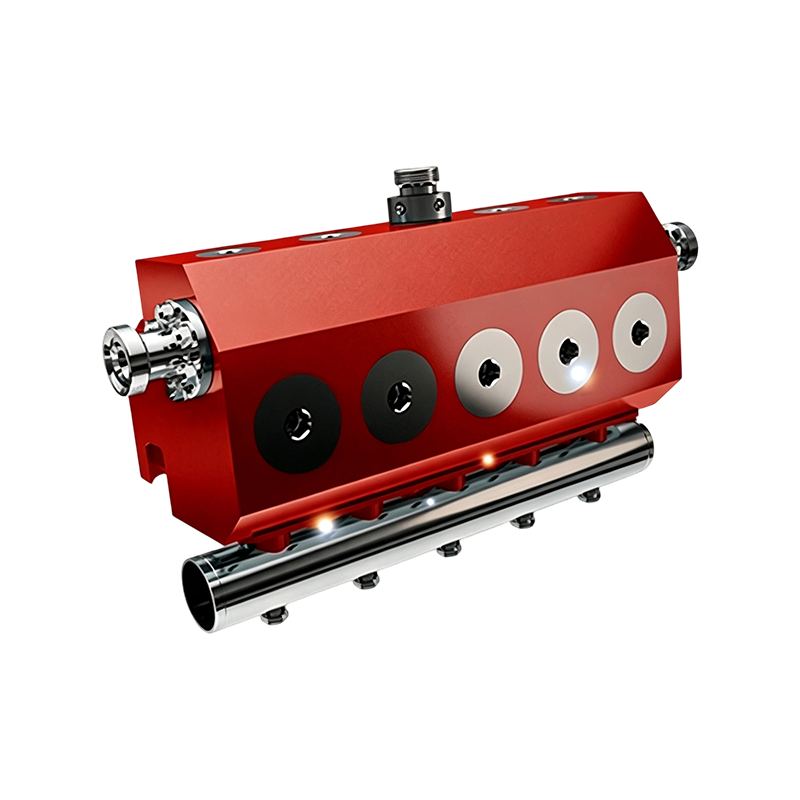
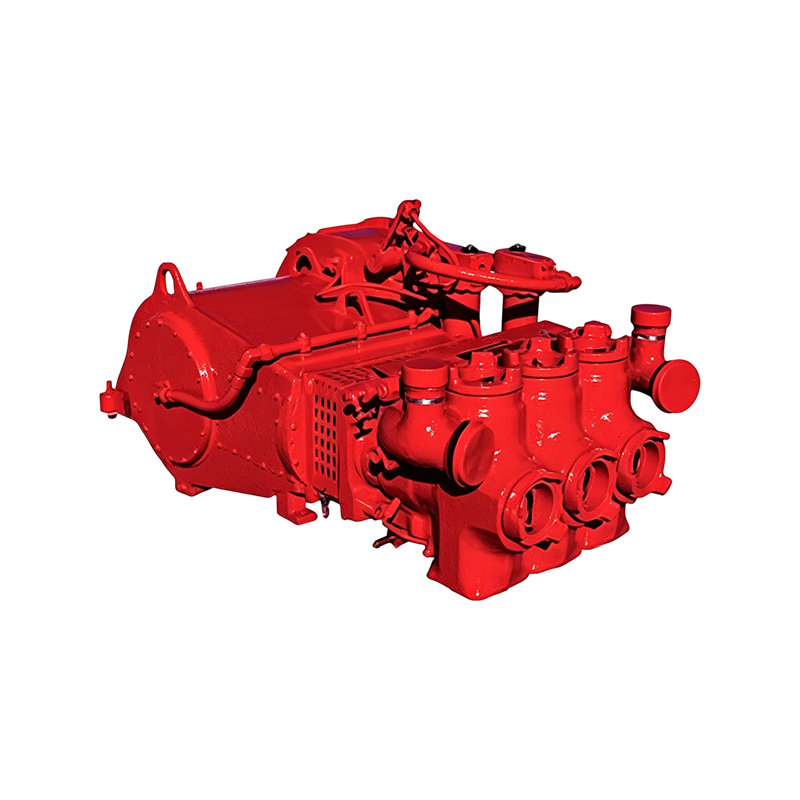
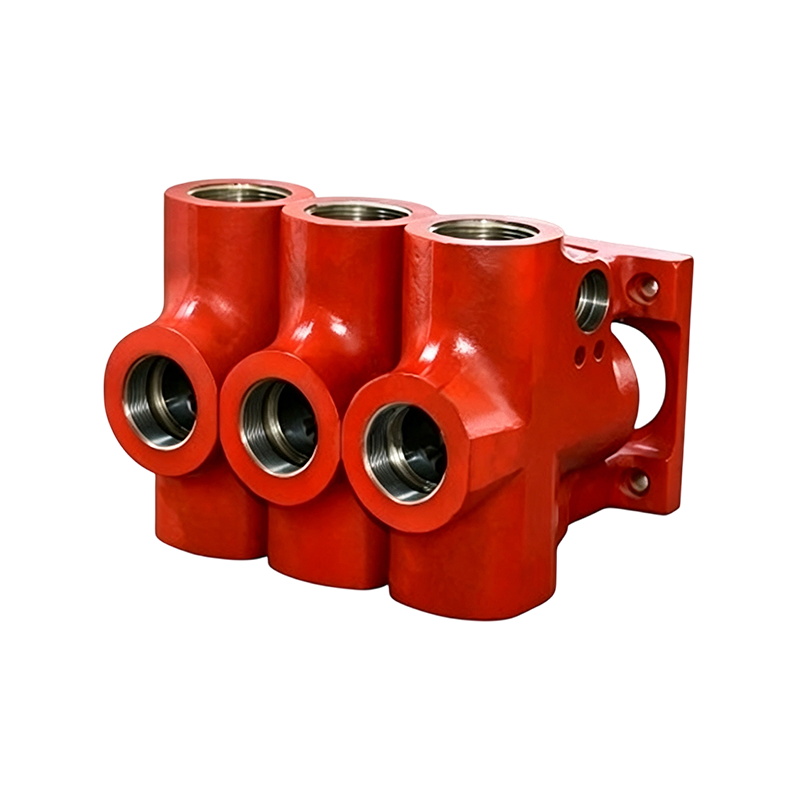
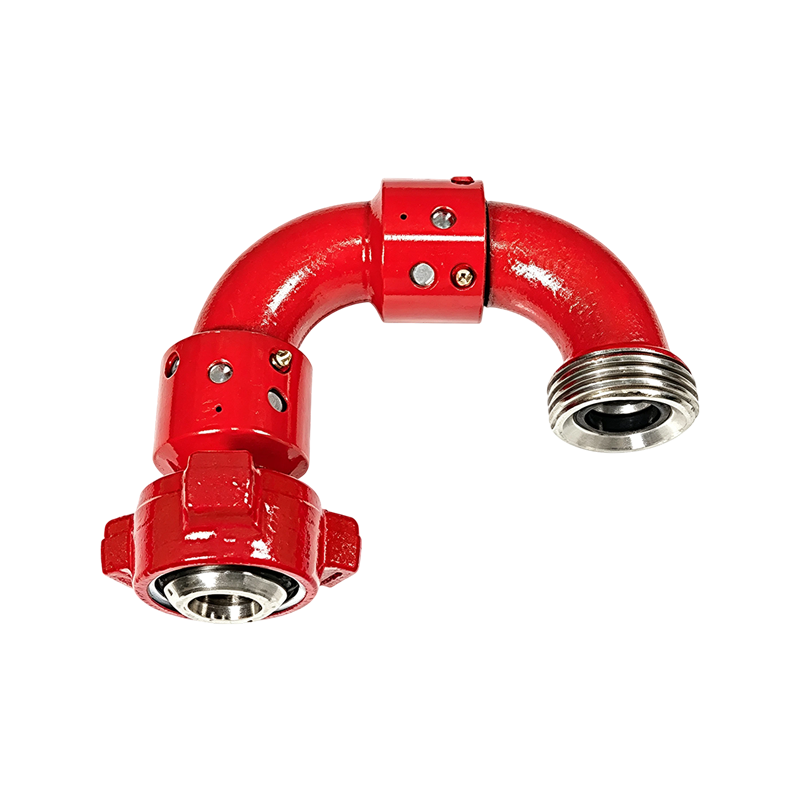
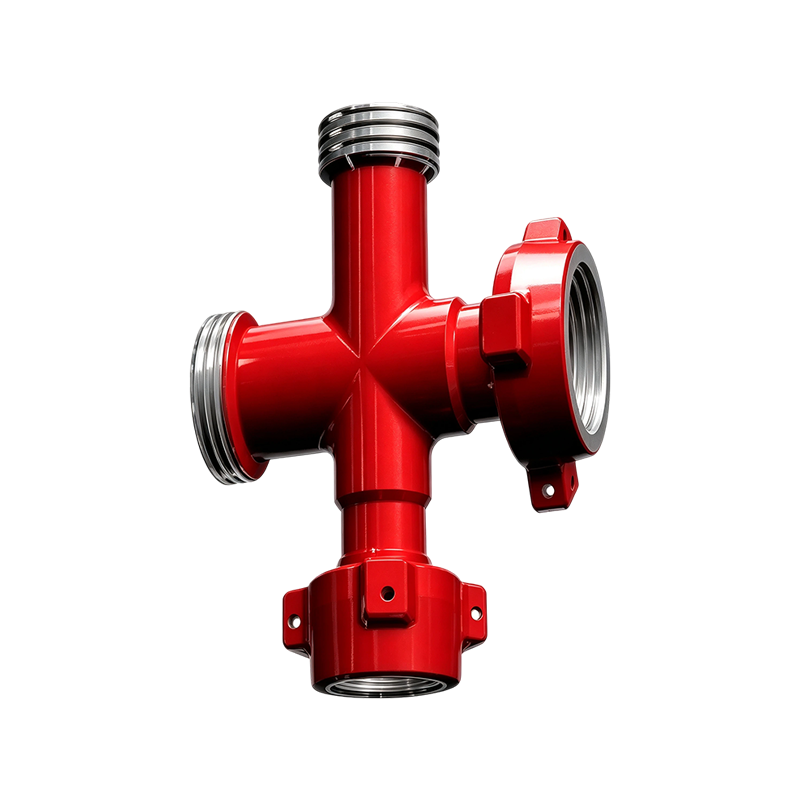
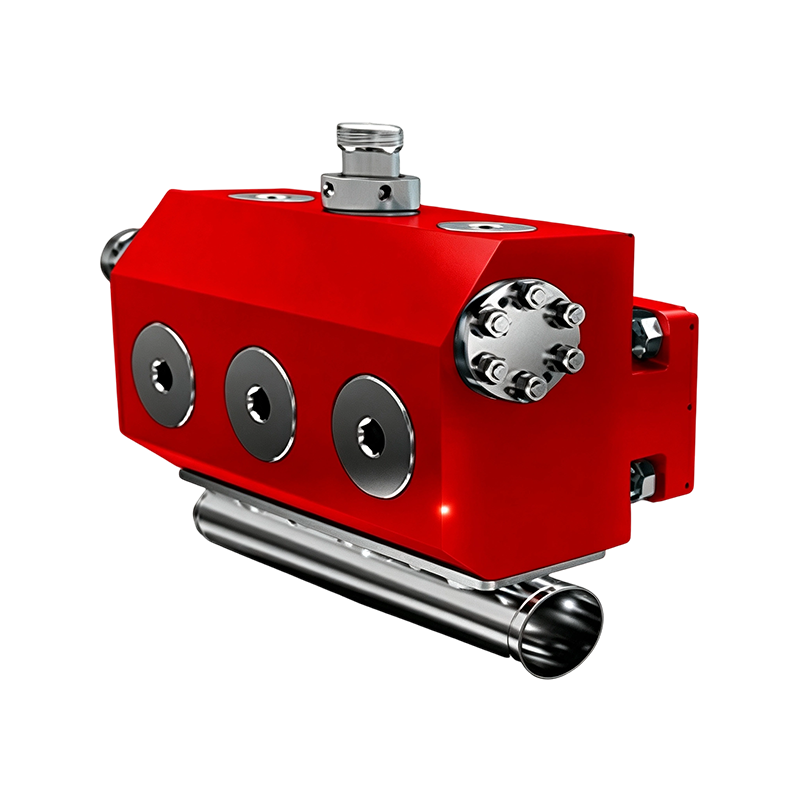
Understanding the Role of a Mud Pump Housing in Well Service Systems A mud pump housing is the structural core of any reciprocating well service pump. It is the component that carries the full weigh...
READ MOREHeavy Duty Well Service Equipment Supplier: How to Vet and Specify Parts
Content
- 1 What Makes Well Service Equipment Heavy Duty
- 2 Pressure Class Is the First Filter
- 3 Fluid End and Power End Carry Different Loads
- 4 Match the Model Family Before Matching the Price
- 5 Mud Pumps, Housings and Circulation Hardware
- 6 Manifold Fittings and Valve Spares
- 7 Seven Checks Before You Release a Purchase Order
- 8 Documentation and Sour Service Discipline
- 9 Questions Buyers Ask Before a First Order
A purchase order for a replacement fluid end rarely fails on price. It fails on pressure class, bolt pattern, or a material certificate that arrives three days after the part, and the rig waits while the crate travels back. Sourcing from a heavy duty well service equipment supplier means matching three things at once: the pump model standing on the pad, the working pressure the manifold was built to, and the paperwork the operator's quality group will accept without argument.
This guide covers how pressure class filters suppliers, where fluid end and power end coverage diverge, how model families map to well service, fracturing, cementing and mud circulation duty, and the checks worth running before a first order is released.
15,000 psiRated working pressure of FIG 1502 manifold hardware used in fracturing service
42-105 MPaPressure span of high-pressure elbows, tees and integral fittings
5 familiesHT400, QWS, TWS, JWS-400 and 7P50 pump patterns covered by one supply line
What Makes Well Service Equipment Heavy Duty
Heavy duty well service equipment is defined by measurable attributes, not catalog adjectives: a working pressure of 10,000 psi or higher, a power end built for continuous duty, and metallurgy qualified for sour service wherever hydrogen sulfide is present.
Definition: a heavy duty well service equipment supplier is a manufacturer or stockist that can deliver fluid end assemblies, power end components, mud pump parts and high-pressure manifold hardware at the same pressure class as the customer's original pump, with material and test records traceable to API 6A, API 7K or API 16C as applicable.
- Pressure class. The rated working pressure of the assembly in psi or MPa, plus the figure number that fixes end connection geometry.
- Duty cycle. A power end sized for continuous pumping rather than intermittent service, with bearing and lubrication design matched to sustained load.
- Metallurgy. Material qualified under NACE MR0175 / ISO 15156 for sour wells and documented by heat number.
- Documentation. Material test reports, dimensional records and hydrostatic test certificates a third-party inspector can follow.
Pressure class, not brand language, decides interchangeability. A 15,000 psi manifold joint and a 6,000 psi joint of the same nominal size are not substitutes at any price.
Pressure Class Is the First Filter
Pressure class removes more candidate suppliers than price does. FIG 1502 hardware is rated at 15,000 psi working pressure, FIG 1002 at 10,000 psi and FIG 602 at 6,000 psi, so a supplier holding a single class cannot cover a fleet running two types of spread. Ask for the rating in writing on the quotation.
| Application | Typical working pressure | Common manifold figure | Primary reference |
| Well service and workover | 5,000 to 10,000 psi | FIG 1002 | API 7K |
| Hydraulic fracturing | 10,000 to 15,000 psi | FIG 1502 | API 6A, API 16C |
| Cementing | 5,000 to 15,000 psi | FIG 1002, FIG 1502 | API 6A |
| Mud circulation | 5,000 to 7,500 psi | FIG 602, FIG 1002 | API 7K |
Rated working pressure by manifold figure, psi, under API 6A and API 7K convention
Fluid End and Power End Carry Different Loads
On a triplex or quintuplex plunger pump the fluid end contains pressure and the power end transmits load, so the two assemblies consume spare parts on different schedules and belong on separate supply lines.
Fluid end
- Modules, valves, seats, plungers, packing and discharge flanges
- Wear driven by abrasives, acid exposure and cavitation
- Inspection focus: crack indication around the bore and suction manifold
Power end
- Crankshaft, connecting rods, crossheads, bearings and lubrication circuit
- Wear driven by load cycles, oil condition and alignment
- Inspection focus: bearing clearance, rod end play and oil analysis
A well service fluid end such as the QWS2500 quintuplex assembly is a pressure vessel first. It is specified for oilfield well service duty and matched to the pump's stroke and plunger size, which is why a fluid end built for a fracturing spread will not bolt onto a cementing unit.
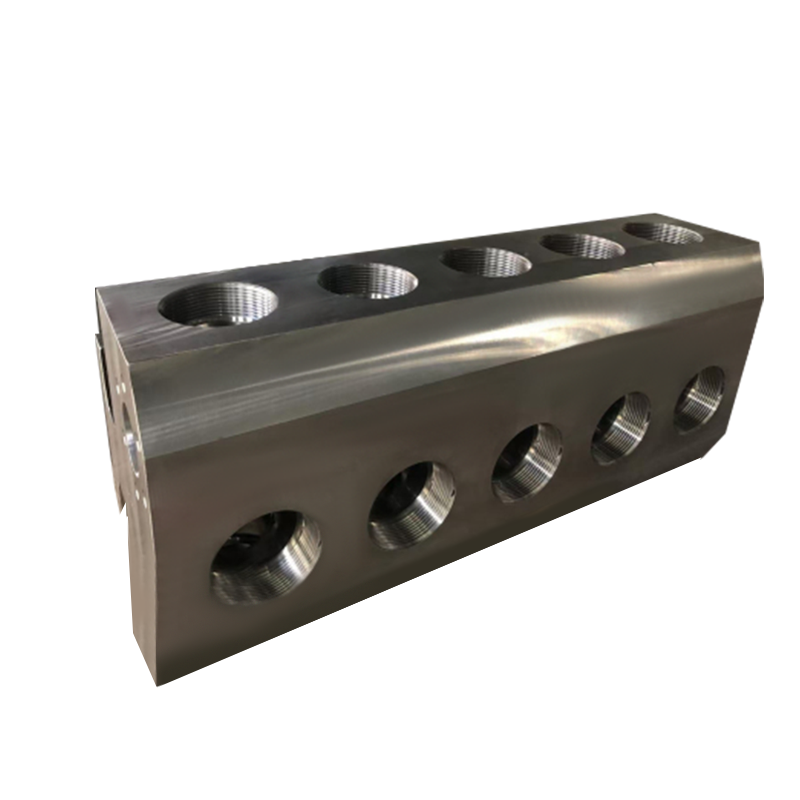 High Pressure Quintuplex Pump QWS2500 Parts for Oilfield Well ServiceProduct Overview The QWS2500 Fluid End is a core critical component for high‑pressure plunger pumps. It features a precision‑engineered modular structure with a standa...View Product →
Match the Model Family Before Matching the Price
Model families map to applications, and buying across families without checking pressure class and stroke length is the shortest route to a returned shipment.
- HT400 patterns are built for oilfield cementing equipment, where moderate pressure meets abrasive slurry.
- QWS1000 and QWS2500 quintuplex pumps serve hydraulic fracturing and well service duty, with the QWS2500 specified for heavy duty well service.
- TWS2250 and TWS600S triplex pumps cover well stimulation, acidizing, deep-well injection and compact well service roles.
- JWS-400 and 7P50 patterns support drilling and mud circulation, including high-pressure circulation systems.
Cementing crews work from HT400 fluid end assemblies and their matching wear components, where the fluid end and the pump frame are engineered as one unit. Verify the flange pattern and the plunger bore before substituting a near-equivalent part number.
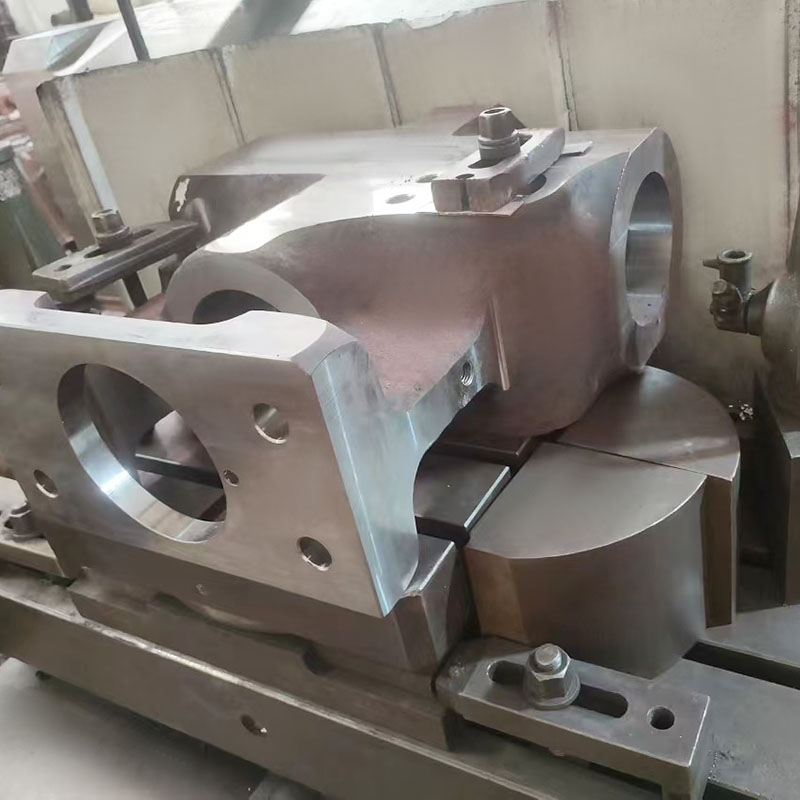 Triplex Plunger Pump HT400 Spare Parts for Oilfield Cementing EquipmentProduct Overview The HT400 Fluid End Assembly is a critical high-pressure component designed for triplex plunger pumps used in demanding oilfield services. Engineered ...View Product →
Where deck space is tight, a compact triplex well service pump keeps the same pressure capability in a shorter frame, and its power end wear parts are the components that decide whether the unit returns to service on schedule.
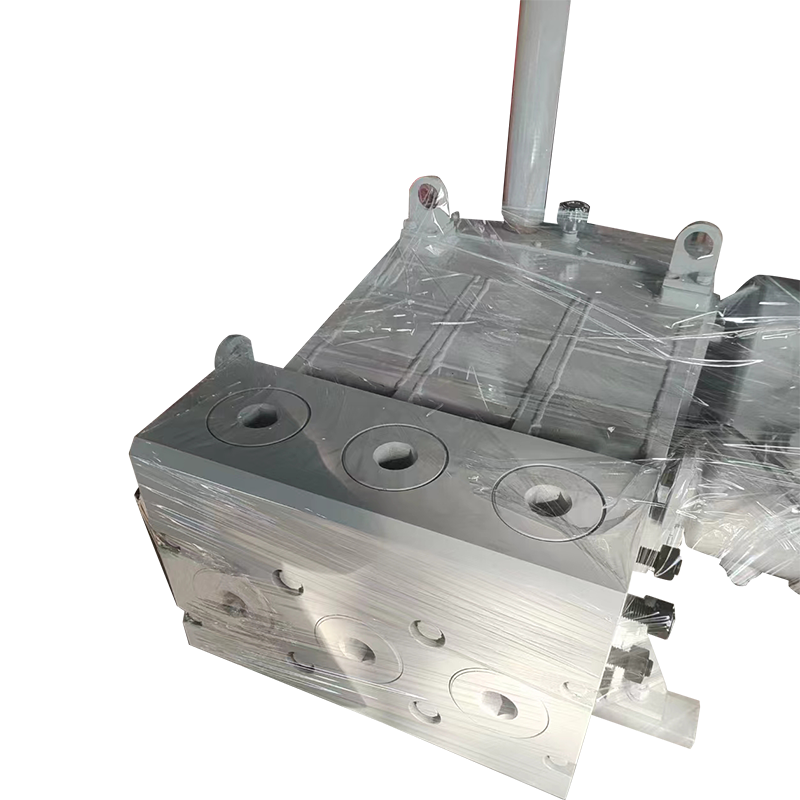 TWS600S Compact‑Structure Multifunctional Triplex Well Service PumpProduct Overview The TWS600S Triplex Pump is a compact high‑pressure three‑plunger pump for oilfield well service. It features a 6‑inch stroke, with rated max brake ho...View Product →
Mud Pumps, Housings and Circulation Hardware
Mud pump housings and fluid end housings are structural items, and a housing that arrives with the wrong bolt pattern or a misaligned bore will stop a circulation system faster than a worn liner ever could.
A circulation package usually combines a high-pressure 7P50 mud pump, an F-series triplex plunger pump for petroleum duty, and a fluid end housing assembly that ties the fluid end to the frame. Housing selection depends on frame size, liner bore and valve cover arrangement, and the measurement sequence matters as much as the part number, as covered in this guide to choosing the right mud pump housing for heavy duty well service.
Manifold Fittings and Valve Spares
High-pressure manifold hardware absorbs the wear a well service spread generates between pump overhauls. Elbows, swivel joints, hammer unions, plug valves and relief valves are replaced far more often than pump bodies.
A complete high-pressure spare parts inventory for a fracturing or workover spread covers four groups:
- Integral fittings: long-radius 90 degree elbows, L-type and T-type joints, Y-type tees, cross joints and 45 degree lateral manifold joints in FIG 602, FIG 1002 and FIG 1502 patterns.
- Connections: 2 inch to 4 inch long-radius swivel joints, hammer union crossovers, pup joints and adjustable conversion subs.
- Flow control: high-pressure plug valves, throttle valves, API single-flow check valves and API pressure safety relief valves.
- Lines: high-pressure circulating hose loops and manifold elbows rated from 42 MPa to 105 MPa.
Seven Checks Before You Release a Purchase Order
Seven checks catch nearly every interchangeability failure on a first order.
- Confirm the pressure class. Match the figure number, 602, 1002 or 1502, and the rated working pressure against the manifold drawing.
- Verify the end connection. Nominal size, thread form and hammer union wing style must match the mating part exactly.
- Match the pump model and stroke. Model family, stroke length and plunger diameter decide whether a fluid end will bolt on.
- Request material certification. Ask for a material test report traceable to a heat number, with chemistry and mechanical properties.
- Check the quality system. API Q1 or ISO 9001 registration plus the supplier's own dimensional inspection records.
- Verify critical dimensions. Bolt circle, centerline height and flange thickness, confirmed against the drawing before production starts.
- Confirm test and delivery documents. A hydrostatic test record plus packing details for the shipping route.
Documentation and Sour Service Discipline
A replacement part without traceable documentation is a liability on a sour well. Material test reports tied to heat numbers and a hydrostatic test record are the minimum package for any pressure-containing item.
Two numbers decide whether that package is complete:
- 1.5 times rated working pressure, the hydrostatic test pressure applied to pressure-containing components under API 6A practice.
- 0.05 psi, equivalent to 0.34 kPa, hydrogen sulfide partial pressure, the threshold above which NACE MR0175 and ISO 15156 sour service requirements apply to carbon and low-alloy steels.
Weld procedures, heat treatment records and hardness limits belong with the material certificate. Requesting them after delivery costs a second shipment and a second inspection.
A heavy duty well service equipment supplier is judged on three measurable things: whether the pressure class matches the drawing, whether the part numbers match the pump on the pad, and whether the documentation survives the operator's inspection. Suppliers that publish pressure ratings, model coverage and material specifications turn that judgement into a short document review instead of a return shipment.
Start every specification from the pump nameplate and the manifold drawing rather than a catalog photograph. The nameplate gives the pressure class, the drawing gives the end connection, and together they define the only part that will fit.
Questions Buyers Ask Before a First Order
How do I confirm a replacement fluid end will fit an existing pump?
Match four dimensions first: stroke length, plunger diameter, bolt circle and centerline height. Request a dimensional drawing and confirm those values against the pump before release, because a 0.05 inch difference on the bolt circle is enough to stop installation.
What is the difference between FIG 1002 and FIG 1502 fittings?
Both use the same family of hammer union geometry, but FIG 1002 is rated at 10,000 psi working pressure and FIG 1502 at 15,000 psi. Wall thickness and material grade differ, so the two are not interchangeable in a 15,000 psi line.
Which spare parts should sit in stock on a well service spread?
Stock valve and seat sets, plungers, packing, fluid end modules, and manifold wear items such as elbows and swivel joints. Fluid end consumables and manifold fittings are replaced far more frequently than power end components, so they carry the greater inventory value.
When does sour service material apply?
NACE MR0175 and ISO 15156 sour service requirements apply to carbon and low-alloy steels once hydrogen sulfide partial pressure reaches 0.05 psi, or 0.34 kPa. Put the requirement on the purchase order and request hardness results with the material certificate.
Recommended Products
-
High Pressure Quintuplex Pump QWS2500 Parts for Oilfield Well Service
-
Heavy Duty Triplex Pump HT400 Wear Components for Oil & Gas Field
-
Triplex Plunger Pump HT400 Spare Parts for Oilfield Cementing Equipment
-
2" to 4" Long Radius Bend 50 Swivel Joint for High-Pressure Oilfield Equipment
-
Multi-Port Integral Cross Joint for Heavy Duty Pipeline Flow Splitter
-
Triplex Frac Pump TWS2250 Replacement Parts for Well Stimulation
News
-
-
WELL SERVICE EQUIPMENT JWS-400 Triplex Pump at a Glance The JWS-400 is a single-acting triplex reciprocating pump designed for high-pressure, intermittent-duty well service operations. Published tech...
READ MORE -
Ask a field supervisor what puts a triplex pump on the ground, and the answer almost always points to the fluid end. A plunger washes out, packing starts weeping, a valve seat stops sealing, and a sm...
READ MORE -
Why Fluid End Condition Determines Triplex Pump Uptime On any well service location, the pressure-containing components inside a fluid end absorb more cyclic stress than almost any other part of the ...
READ MORE
Get in Touch
Your email address will not be published.
Required fields are marked *
contact us
Have a project in mind?
Contact with us
Contact with us
We are happy to answer your questions. Please fill out this form
and one of our professional team will get back to you as soon as possible.

-
Company AddressRoom 2112, Wanxi Jingyuan Building 10, Jichuan Subdistrict, west of Wanxi South Road and north of Diefeng East Road, Xuanzhou District, Xuancheng City, Anhui Province
-
Tel:+86-13063235523
-
E-mail:Exwell.sales@chinafluidendparts.com
Exwell.Petro@chinafluidendparts.com
Exwell.Director@chinafluidendparts.com
Exwell@chinafluidendparts.com
Copyright © Anhui Exwell New Energy Technology Co., Ltd. All Rights Reserved.
OEM High Pressure Drilling Equipment Suppliers
