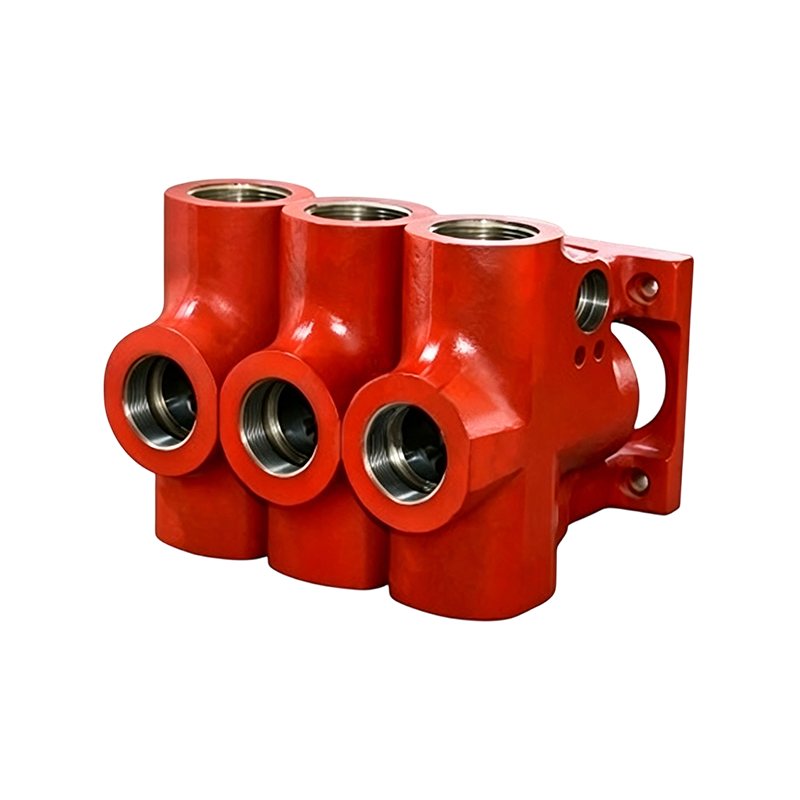
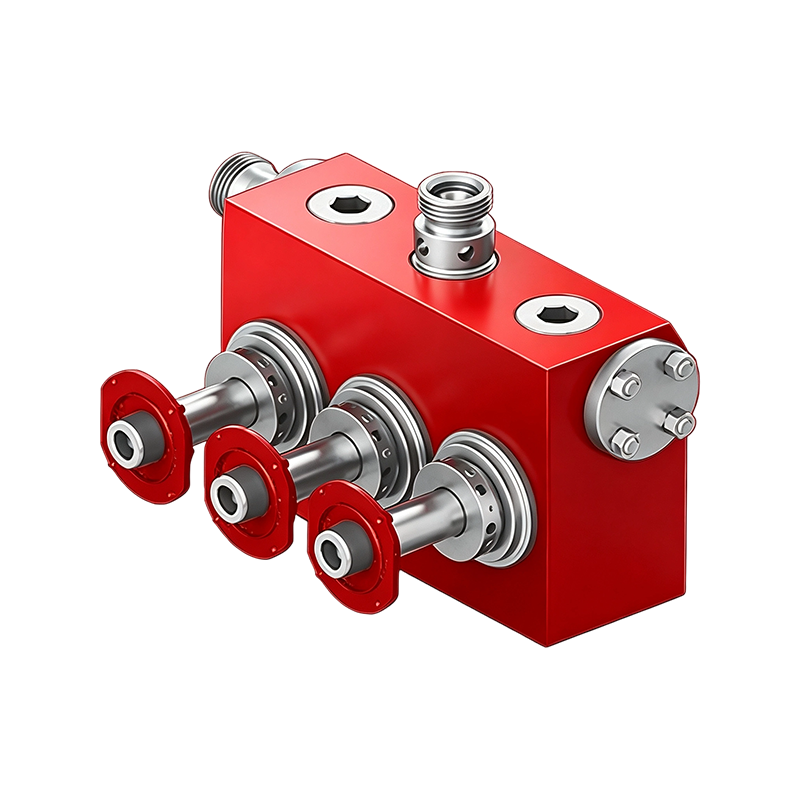
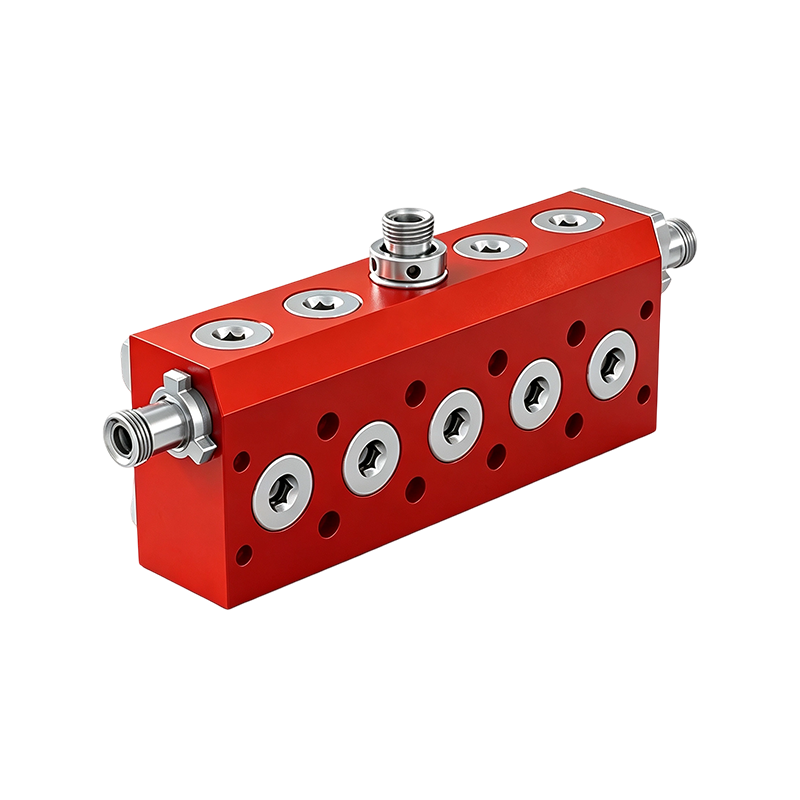
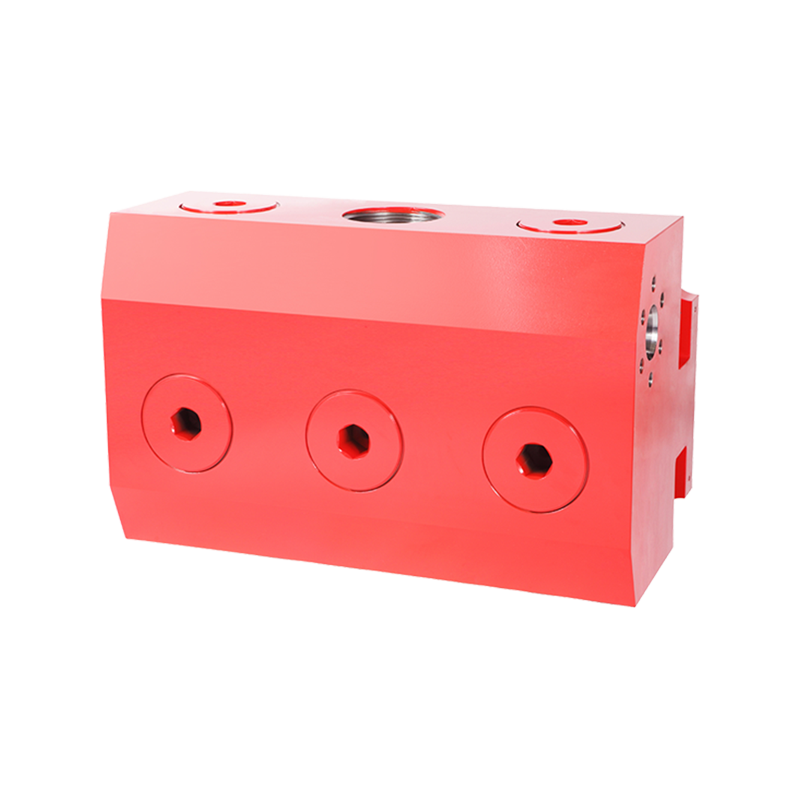
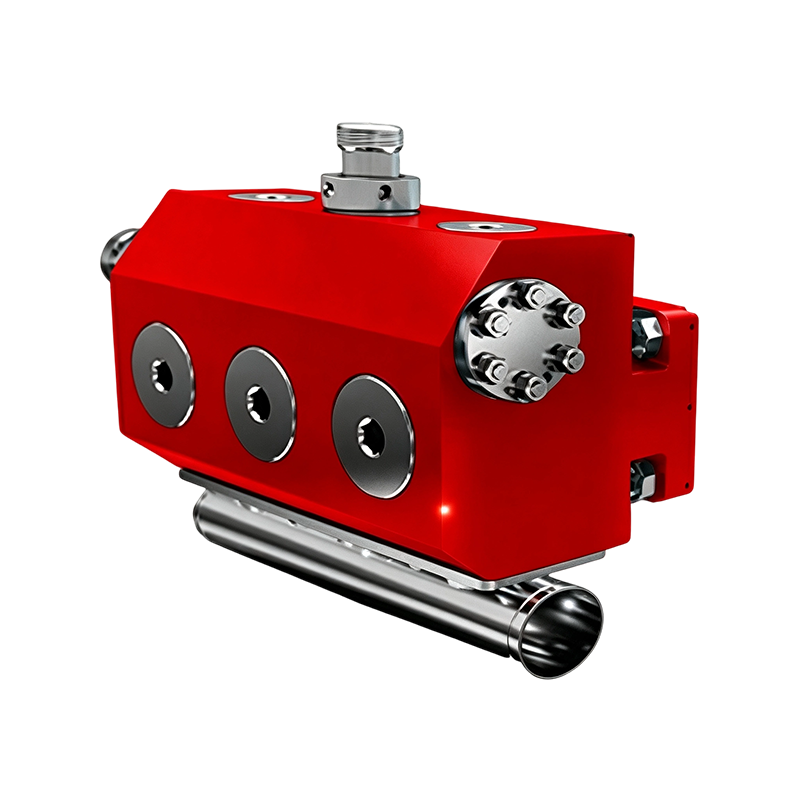
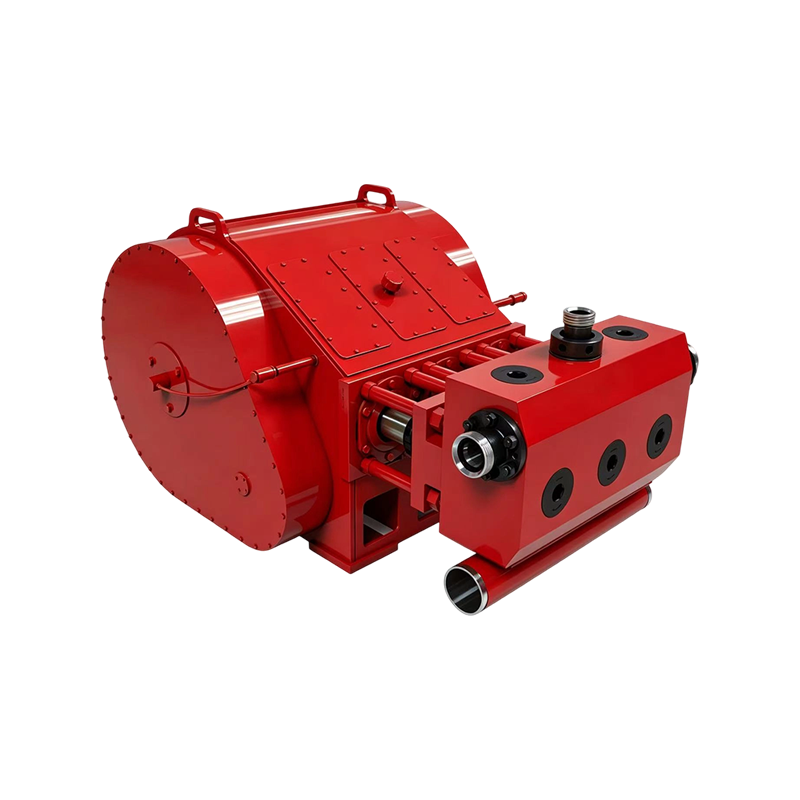
Anhui Exwell New Energy Technology Co., Ltd. is a Custom Mud Pump Fluid End supplier focused on high-pressure reciprocating pump components for oilfield well service. We manufacture triplex and quintuplex fluid ends engineered as direct replacements for Halliburton, SPM, GD and FMC pump systems. Our range covers cementing, acidizing, fracturing and well stimulation duties, with carbon steel and stainless steel material options matched to the working fluid and pressure cycle.
Each fluid end is produced at our 20-acre manufacturing base in Wuhu, Anhui, using CNC boring and milling centers, gantry machining and coordinate measuring equipment. We supply bare blocks or fully assembled fluid ends, configured around stroke length, plunger size, material grade and the specific pump power end interface.
Fluid End Model Range
Our standard fluid end range spans compact 600 HP well service pumps through 2,500 HP fracturing units. The table below summarizes the core configurations we manufacture and the pump families each model replaces.
| Model |
Stroke |
Plunger Configuration |
Plunger Size |
Material |
Replacement Compatibility |
| HT400 |
8" |
Triplex |
4", 4.5" |
Carbon Steel / Stainless Steel |
Halliburton |
| TWS600S |
6" |
Triplex |
2.75"–4.5" |
Carbon Steel / Stainless Steel |
SPM |
| QWS1000 |
6" |
Quintuplex |
2.75"–4.5" |
Carbon Steel / Stainless Steel |
SPM |
| TWS2000 |
8" |
Triplex |
4"–5.5" |
Carbon Steel / Stainless Steel |
SPM |
| TWS2250 |
8" |
Triplex |
4"–6" |
Carbon Steel / Stainless Steel |
SPM, GD |
| TWS2500 |
10" |
Triplex |
4"–5.5" |
Carbon Steel / Stainless Steel |
SPM |
Application Fit by Pump Class
Each fluid end model is configured around a specific duty cycle and pressure envelope. We match the stroke length, plunger count and material grade to the service conditions rather than offering a one-size-fits-all casting.
HT400 — Cementing and Small Frac
8-inch stroke triplex fluid end rated for 2,240 LB load. Supports 4" and 4.5" plungers for precise slurry placement and small to medium-scale fracturing. Drop-in replacement for Halliburton HT400 power ends.
TWS600S — Compact Well Service
6-inch stroke triplex with offset plunger design that shortens overall pump length. Suited for acidizing, cementing, mining grouting and low-flow industrial transfer where installation space is constrained.
QWS1000 — Quintuplex Fracturing
Five-plunger configuration with 6-inch stroke for smoother flow output and reduced pressure pulsation. Deployed in hydraulic fracturing and high-volume well stimulation for unconventional resource extraction.
TWS2000 / TWS2250 — 2,000–2,250 HP Fracturing
8-inch stroke triplex fluid ends for 2,000 HP and 2,250 HP fracturing units. TWS2000 is rated to 17,916 psi (123.6 MPa) maximum working pressure. TWS2250 supports plunger sizes up to 6" for higher flow capacity.
TWS2500 — Severe Unconventional Service
10-inch stroke heavy-duty triplex fluid end with net weight of 6,577 kg. Designed for harsh unconventional oilfield operations with extended stroke length for high-energy fracturing duty.
Materials and Engineering
We produce fluid ends in premium carbon steel for standard high-pressure service and stainless steel for corrosive acidizing environments. For critical models, we apply electroslag remelting, single forging and optimized heat treatment to improve structural uniformity and fatigue resistance.
- Carbon steel — selected for cementing and fracturing where the working fluid is non-corrosive and pressure cycling dominates.
- Stainless steel — specified for acidizing and chemical injection where chloride or acid exposure accelerates wear.
- Custom materials — available on request when the project requires a specific alloy grade or surface treatment.
- Surface treatment — upgraded internal structure and coating options improve wear and corrosion resistance in abrasive slurries.
The fluid end houses pistons, liners, valves and seals, and must withstand cyclic pressure loading without fatigue cracking. Our machining approach prioritizes bore alignment, seal face flatness and thread integrity across all plunger positions.
Configuration and Customization
We supply fluid ends as bare blocks or fully assembled units with valves, seats, plungers and packing installed. Plunger size options are listed for each model, and we can configure the fluid end around the customer's existing Power End interface to ensure direct bolt-up compatibility.
For non-standard requirements, our customization workflow follows five stages:
- Drawings or samples — customer submits existing drawings, CAD files or worn parts for reverse engineering.
- Technical assessment — our engineering team evaluates feasibility and recommends material and heat treatment parameters.
- Quotation — accurate cost calculation based on material, machining scope and testing requirements.
- Proofing — sample production and dimensional verification before batch release.
- Mass production — standardized manufacturing with full-process inspection and delivery.
We also supply companion Spare Part items including valves, seats, plungers, packing and seals for the same pump families.
Quality Control and Acceptance
Every fluid end passes through our full-chain quality inspection system, from raw material entry to finished product delivery. We operate advanced testing equipment for material physical and chemical properties, non-destructive testing and high-precision geometric dimension detection.
- Material verification — chemical composition and mechanical property testing on each material batch.
- Non-destructive testing — ultrasonic and magnetic particle inspection on critical pressure-containing sections.
- Dimensional inspection — coordinate measuring machine (CMM) verification of bore alignment, seal faces and thread geometry.
- Pressure and sealing performance — hydrostatic testing to confirm pressure integrity before shipment.
- Final inspection — 100% finished product inspection against customer requirements and international standards.
Our machining equipment includes Czech TOS CNC boring and milling machines, Mazak horizontal boring and milling machining centers, Okuma gantry machining centers and quantitative CNC machining centers, supported by a dedicated polishing room for surface finish control.
Information We Use to Configure Your Solution
To prepare an accurate fluid end proposal, we work from the following project inputs. The more complete the information, the faster we can confirm configuration and pricing.
| Input |
What We Use It For |
| Pump model and OEM |
Confirm replacement compatibility and interface dimensions |
| Working fluid and chemistry |
Select carbon steel or stainless steel material grade |
| Plunger size and stroke |
Determine flow rate and pressure envelope |
| Operating pressure and duty cycle |
Validate fatigue life and material selection |
| Drawings or worn samples |
Support reverse engineering and custom configuration |
| Quantity and delivery target |
Plan production batch and shipment schedule |
Frequently Asked Questions
What fluid end models do you manufacture?
We produce HT400, TWS600S, QWS1000, TWS2000, TWS2250 and TWS2500 fluid ends in triplex and quintuplex configurations. Each model is engineered as a direct replacement for Halliburton, SPM, GD or FMC pump systems.
Can you produce fluid ends from customer drawings or worn samples?
Yes. Customized production is our core business. We can develop and manufacture fluid ends based on drawings, CAD files or worn parts that we reverse engineer. The workflow includes feasibility analysis, technical assessment, quotation, proofing and mass production.
What materials are available for corrosive service?
We offer stainless steel fluid ends for acidizing and chemical injection applications where chloride or acid exposure accelerates wear. Carbon steel is standard for cementing and fracturing. Custom alloy grades are available on request.
How do you verify dimensional accuracy and pressure integrity?
We use coordinate measuring machines for bore alignment and thread geometry verification, ultrasonic and magnetic particle inspection for non-destructive testing, and hydrostatic pressure testing to confirm sealing performance before shipment.
Do you supply bare blocks or fully assembled fluid ends?
Both options are available. We supply bare fluid end blocks for customers who prefer to install their own valves, seats and plungers, as well as fully assembled units with all internal components installed and tested.
What is the typical customization workflow?
The process follows five stages: customer submits drawings or samples, our technical team assesses feasibility and recommends parameters, we issue a formal quotation, produce a proofing sample for confirmation, then proceed to standardized mass production with full-process inspection.

 English
 عربى
عربى русский