
 English
 عربى
عربى русский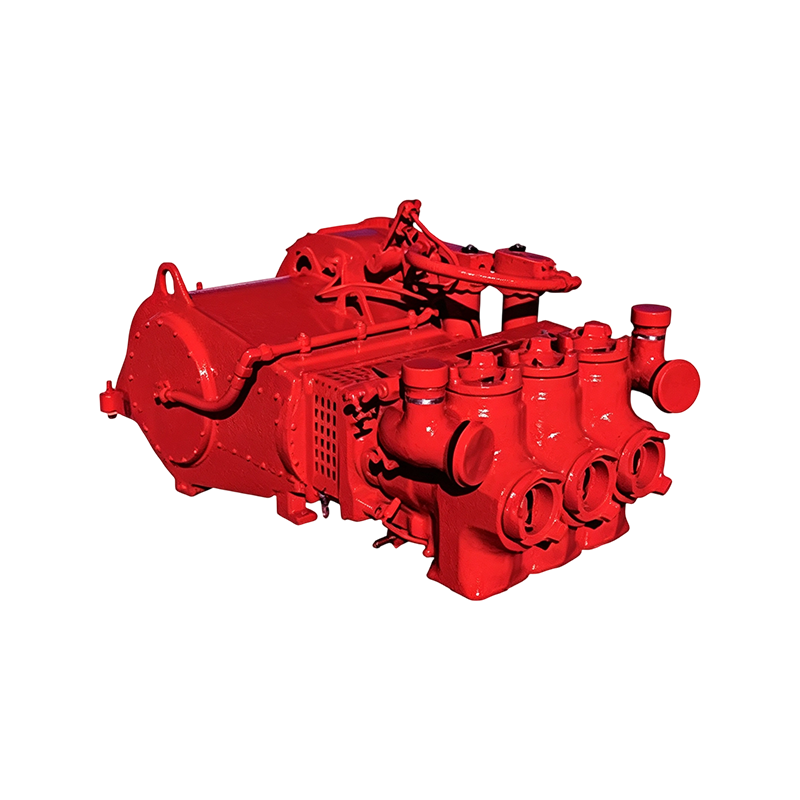
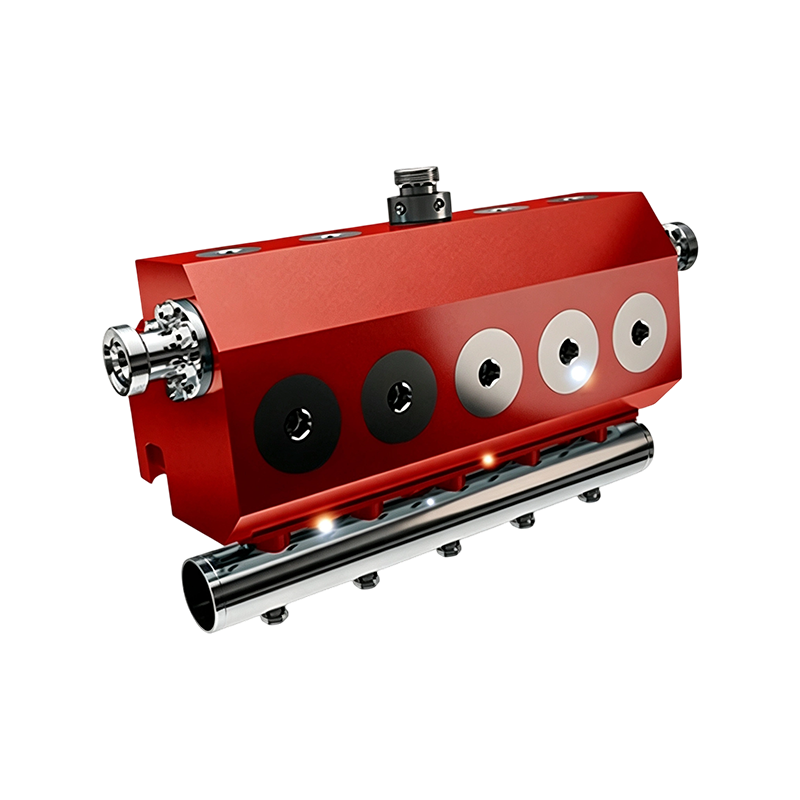
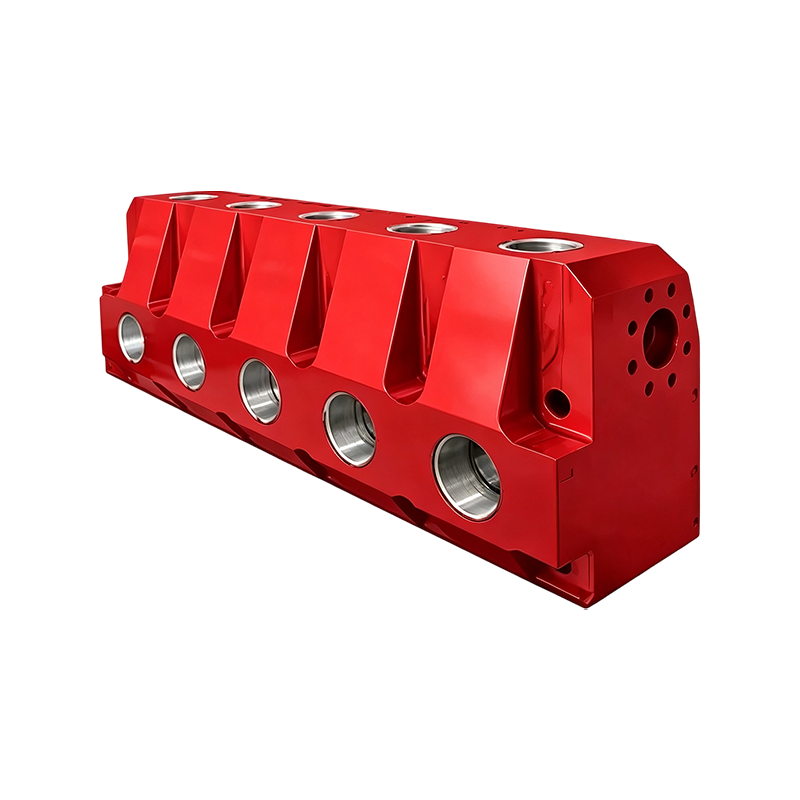
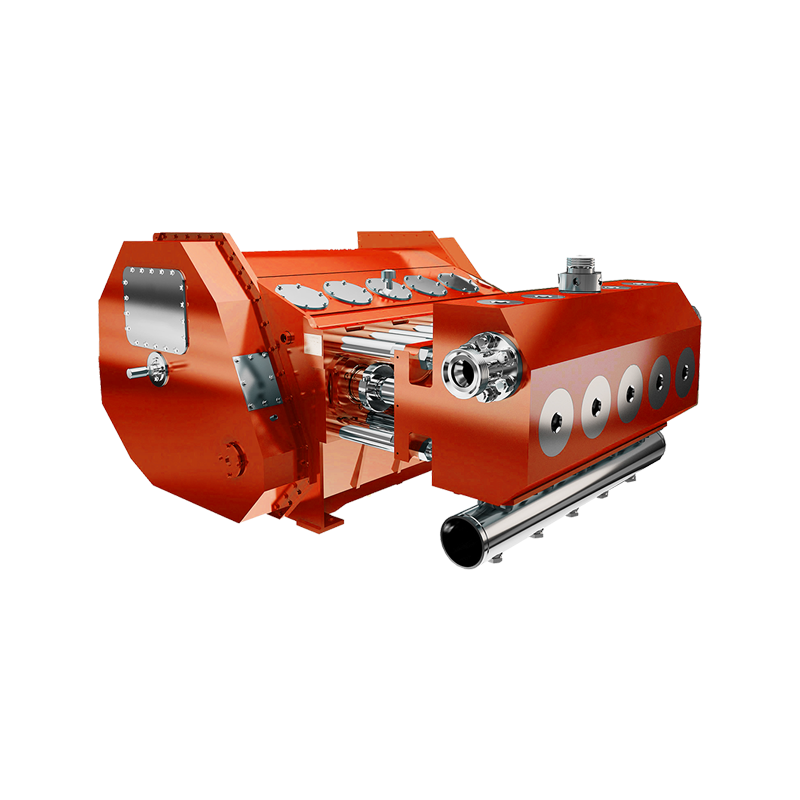
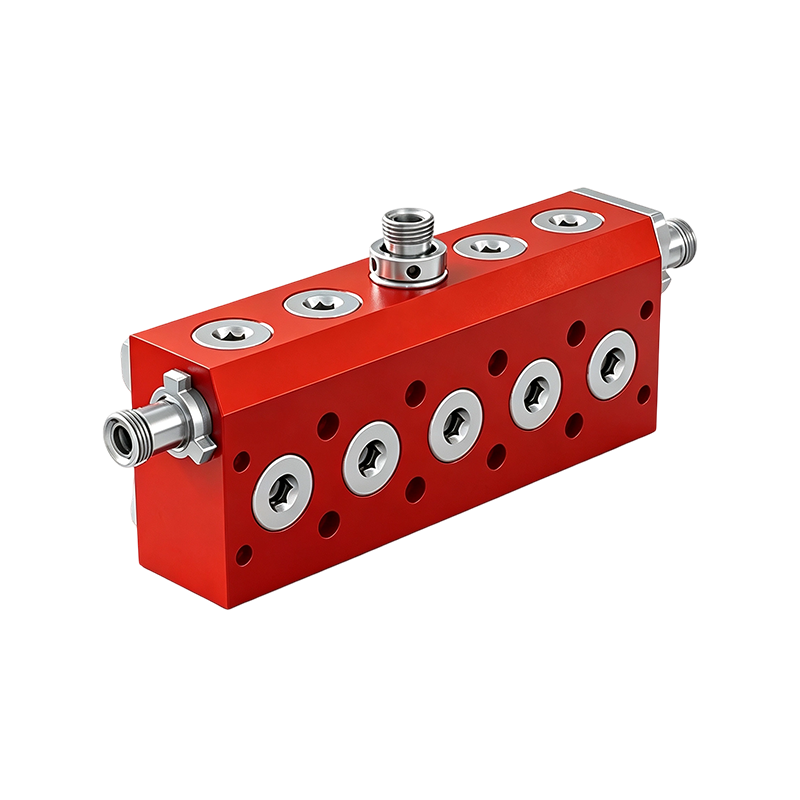
WELL SERVICE EQUIPMENT JWS-400 Triplex Pump at a Glance The JWS-400 is a single-acting triplex reciprocating pump designed for high-pressure, intermittent-duty well service operations. Published tech...
READ MOREChoosing the Right Mud Pump Housing for Heavy-Duty Well Service Operations
Content
- 1 Understanding the Role of a Mud Pump Housing in Well Service Systems
- 2 Structural Engineering Behind a Durable Pump Housing
- 3 Material Selection and Its Impact on Pump Frame Longevity
- 4 Field Data: Wear Progression and Downtime Trends
- 5 How Housing Design Generation Affects Unplanned Downtime
- 6 Flow Path Through a Triplex Pump Housing Assembly
- 7 Housing Design Considerations for the JWS-400 Triplex Well Service Pump
- 8 Comparing Housing Types Across Performance Dimensions
- 9 Selecting the Right Mud Pump Housing for Your Operation
- 10 Frequently Asked Questions
- 10.0.1 Q1: What is the typical service life of a mud pump housing under heavy-duty conditions?
- 10.0.2 Q2: How can operators tell if a housing is approaching the end of its useful life?
- 10.0.3 Q3: Does housing material choice affect pump weight significantly?
- 10.0.4 Q4: Is a heavier housing always more durable?
- 10.0.5 Q5: How often should bearing bores be inspected on an actively used pump?
Understanding the Role of a Mud Pump Housing in Well Service Systems
A mud pump housing is the structural core of any reciprocating well service pump. It is the component that carries the full weight of dynamic loading generated during every stroke, absorbs vibration from the crankshaft assembly, and keeps the internal drivetrain aligned under continuous cyclic stress. In heavy-duty operations, the housing is rarely the part operators think about first, yet it is often the single factor that determines whether a pump completes a multi-week job without unscheduled downtime or fails at the worst possible moment.
On a drilling or well servicing site, pumps run for extended shifts under fluctuating pressure, abrasive fluid content, and temperature swings. The housing has to maintain dimensional stability while everything inside it is trying to shake itself apart. When engineers talk about a durable pump housing, they are really describing a structure engineered to resist fatigue cracking, bearing bore wear, and gasket surface degradation over thousands of operating hours.
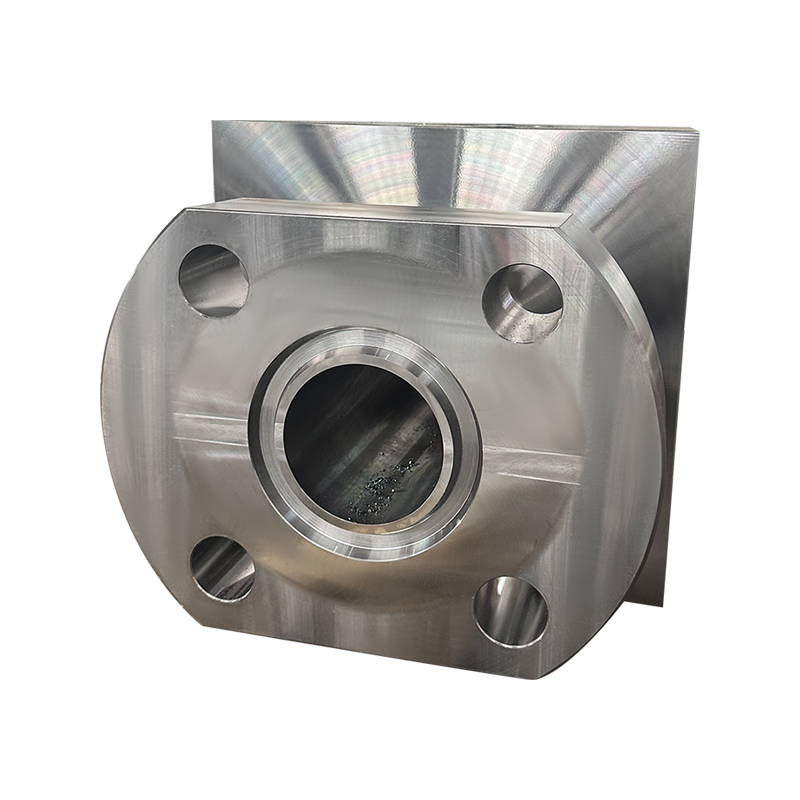
This article walks through the engineering, material, and selection criteria behind a reliable pump frame, and looks at how these principles apply to compact triplex platforms used in field well service work.
Structural Engineering Behind a Durable Pump Housing
A well-engineered housing does three jobs at once: it locates the crankshaft and bearings precisely, it transmits reciprocating loads into the frame without flexing, and it seals lubrication from the outside environment. Achieving all three under continuous vibration requires attention to wall thickness distribution, rib placement, and bore tolerancing.
Load Path and Rib Geometry
Housings that fail prematurely almost always share one trait: thin sections placed where bending stress concentrates, typically near bearing bore shoulders or mounting foot transitions. Reinforcing ribs positioned along the primary load path spread stress over a larger cross-section, which reduces localized flexing and slows fatigue crack initiation. Foundries and machine shops that specialize in pump frames typically validate rib placement using finite element analysis before a design is released for production.
Bearing Bore Tolerancing
Bearing bores machined outside tolerance create misalignment that shows up as premature bearing wear within the first few hundred operating hours. A tight bore tolerance, combined with proper roundness and parallelism between the front and rear bores, keeps the crankshaft centerline true and reduces the side loading that accelerates seal wear elsewhere in the pump.
- Rib reinforcement at load-bearing transitions reduces flex under cyclic loading
- Bore roundness and parallelism directly affect bearing service life
- Wall thickness uniformity minimizes casting or forging residual stress
- Mounting foot rigidity prevents resonance transfer to the skid structure
Material Selection and Its Impact on Pump Frame Longevity
Material choice sets the ceiling on how much abuse a housing can absorb before it needs replacement. The four material families most commonly used across well service pump frames are gray cast iron, ductile iron, cast steel, and forged alloy steel. Each carries a different balance of cost, weight, and fatigue resistance.
| Material | Relative Cost | Fatigue Resistance | Typical Use Case |
|---|---|---|---|
| Gray Cast Iron | Low | Moderate | Light to medium duty pumps |
| Ductile Iron | Medium | Good | General well service pumps |
| Cast Steel | Medium-High | Very Good | Heavy-duty continuous operation |
| Forged Alloy Steel | High | Excellent | High-pressure, high-cycle service |
Ductile iron has become a common middle-ground choice because its graphite nodule structure gives it meaningfully better impact and fatigue resistance than gray cast iron, without the cost premium of a forged frame. The chart below illustrates how relative corrosion resistance ratings tend to compare across these material families based on field inspection data collected from returned housings after extended service.
Field Data: Wear Progression and Downtime Trends
Wear on a housing bore or mounting face accumulates gradually, but the rate of accumulation is heavily influenced by lubrication discipline and duty cycle intensity. Data gathered from routine inspection logs across multiple well service fleets shows a fairly consistent pattern: housings maintained on a strict lubrication schedule show a wear curve that stays close to linear, while housings running with delayed lubrication intervals show an accelerating curve after roughly fifteen thousand operating hours.
The gap between the two curves widens steadily beyond the fifteen-thousand-hour mark, which is the point where most field teams begin to notice increased vibration and audible knocking if lubrication has not been kept current. Catching this transition early, through vibration monitoring or oil analysis, is far cheaper than replacing a scored bore later.
How Housing Design Generation Affects Unplanned Downtime
Housing designs have evolved across three broad generations as manufacturers incorporated better rib geometry, improved bore machining processes, and upgraded sealing surfaces. Fleet operators tracking unplanned downtime across pumps built to each generation report a measurable improvement with each design iteration.
Current-generation housings, which use optimized rib placement validated through simulation and tighter bore tolerancing during machining, show roughly a two-thirds reduction in unplanned downtime compared to first-generation designs. This directly translates into more billable pumping hours per quarter for a well service fleet.
Flow Path Through a Triplex Pump Housing Assembly
Understanding how fluid actually moves through the housing assembly helps explain why internal geometry matters as much as external strength. In a triplex configuration, fluid enters through a common suction manifold, passes into individual chambers formed by the fluid end connected to the housing, and is pushed out through discharge valves timed to the plunger stroke.
Each stage in this path places a different demand on the housing. The suction side must minimize turbulence to avoid cavitation, the chamber section must hold precise alignment between plunger and packing, and the discharge side must handle the highest instantaneous pressure spike in the cycle. A housing that flexes even slightly under this pressure spike will eventually show fretting at the fluid end connection.
Housing Design Considerations for the JWS-400 Triplex Well Service Pump
The jws-400 triplex well service pump is representative of a compact triplex platform built for field servicing tasks where transport weight and footprint matter as much as raw hydraulic output. On a platform in this power class, the housing has to be compact enough to fit standard skid dimensions while still carrying the same fatigue-resistant rib structure found on larger frames.
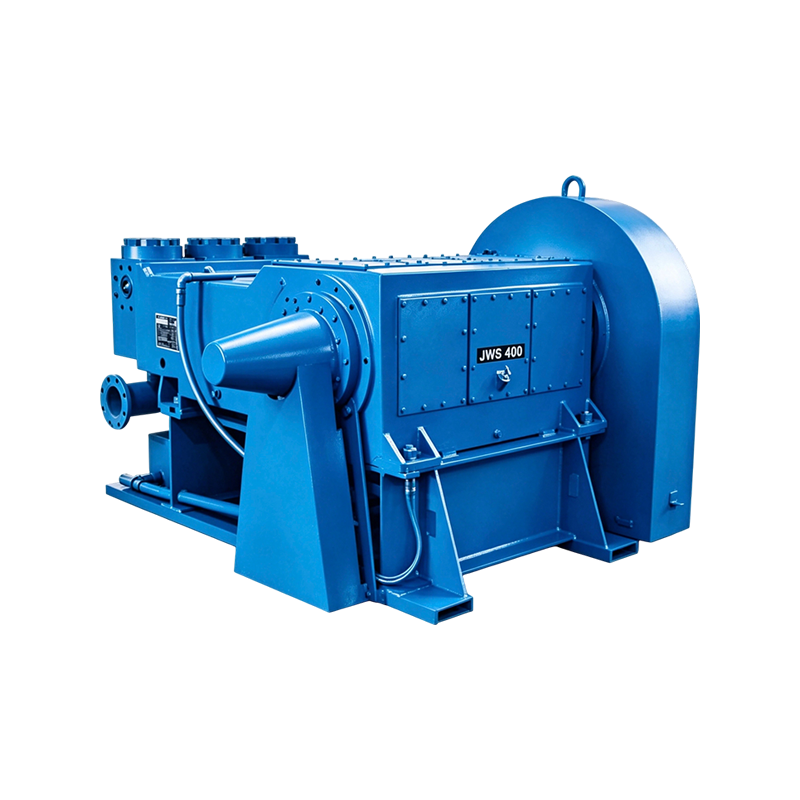
Because a triplex well service pump of this size is often moved between locations frequently, the housing also has to tolerate repeated transport vibration in addition to operating loads. This is one reason mounting foot rigidity is treated as a first-order design criterion rather than an afterthought on compact platforms: a housing that shifts slightly during transport can develop bolt-hole elongation that leads to alignment drift once the pump is back in service.
A housing that is rated for stationary duty cycles alone is rarely the right choice for a pump that will be trailer-mounted and relocated on a regular basis. Transport fatigue and operating fatigue are cumulative, not separate.
Comparing Housing Types Across Performance Dimensions
No single material or design wins on every dimension. The radar comparison below summarizes how three common housing types trade off across durability, weight efficiency, cost efficiency, corrosion resistance, and maintenance ease, using a relative scale from the center outward.
Forged alloy steel leads on durability and corrosion resistance but scores lower on cost efficiency and weight, which matters for portable rigs. Ductile iron trades some of that top-end fatigue resistance for a lighter, more affordable frame that is easier to machine and service in the field. Cast steel sits between the two, which is why it remains the most common choice for general heavy-duty well service applications.
Selecting the Right Mud Pump Housing for Your Operation
Choosing between these options should start with an honest assessment of duty cycle, not just upfront budget. A housing purchased for the lowest initial cost but run at a duty cycle it was not designed for will almost always end up costing more once downtime and premature replacement are factored in.
Questions Worth Asking Before Selection
- What percentage of annual operating hours will the pump run at or near rated pressure
- Will the unit be transported frequently between well sites
- What is the abrasive solids content typically expected in the pumped fluid
- What lubrication and inspection schedule can realistically be maintained in the field
- What is the acceptable threshold for unplanned downtime per quarter
Operators running continuous, high-pressure duty cycles with limited maintenance windows generally get better lifecycle value from cast steel or forged alloy steel housings, even at a higher upfront cost. Operators running intermittent, lower-pressure service with tight budget constraints and disciplined maintenance routines can often get reliable service life from ductile iron. Matching the housing to the actual duty cycle, rather than defaulting to whichever option is cheapest or most familiar, is the single most effective decision an operations team can make when specifying a new pump frame.
Frequently Asked Questions
Q1: What is the typical service life of a mud pump housing under heavy-duty conditions?
Service life varies with material and duty cycle, but a well-maintained cast steel or forged alloy steel housing running under scheduled lubrication commonly reaches well beyond twenty thousand operating hours before major rework is needed. Housings running under delayed lubrication schedules often need attention considerably sooner.
Q2: How can operators tell if a housing is approaching the end of its useful life?
Increasing vibration amplitude, audible knocking near the bearing bores, and visible fretting at gasket surfaces are common early indicators. Routine oil analysis and vibration monitoring can catch these trends before they progress to a bore failure.
Q3: Does housing material choice affect pump weight significantly?
Yes. Ductile iron housings are generally lighter than forged alloy steel equivalents of similar strength, which is a meaningful factor for trailer-mounted or frequently relocated triplex platforms.
Q4: Is a heavier housing always more durable?
Not necessarily. Durability depends more on rib geometry, material fatigue properties, and bore tolerancing than on raw mass. A well-engineered lighter frame can outperform a poorly ribbed heavier one under the same load conditions.
Q5: How often should bearing bores be inspected on an actively used pump?
Most field maintenance programs schedule a bore and alignment check at defined operating-hour intervals, typically alongside routine bearing lubrication service, rather than waiting for a symptom to appear.
Recommended Products
-
Heavy Duty Triplex Pump HT400 Wear Components for Oil & Gas Field
-
High Pressure Quintuplex Pump QWS2500 Parts for Oilfield Well Service
-
Fluid End Housing Assembly for Triplex Mud Pump
-
QWS2800 High Pressure Quintuplex Pump Fluid End Assembly for Oilfield Well Service
-
QWS2500 High‑Pressure Heavy‑Duty Quintuplex Fracturing Pump
-
Horizontal Quintuplex Pump QWS1000 Spare Parts for Fracturing Operations
News
-
-
Why Fluid End Condition Determines Triplex Pump Uptime On any well service location, the pressure-containing components inside a fluid end absorb more cyclic stress than almost any other part of the ...
READ MORE -
Understanding the Power End in a Triplex Well Service Pump The power end is the mechanical core of any triplex well service pump. It is the assembly responsible for converting rotational input from ...
READ MORE
Get in Touch
Your email address will not be published.
Required fields are marked *
contact us
Have a project in mind?
Contact with us
Contact with us
We are happy to answer your questions. Please fill out this form
and one of our professional team will get back to you as soon as possible.

-
Company AddressRoom 2112, Wanxi Jingyuan Building 10, Jichuan Subdistrict, west of Wanxi South Road and north of Diefeng East Road, Xuanzhou District, Xuancheng City, Anhui Province
-
Tel:+86-13063235523
-
E-mail:Exwell.sales@chinafluidendparts.com
Exwell.Petro@chinafluidendparts.com
Exwell.Director@chinafluidendparts.com
Exwell@chinafluidendparts.com
Copyright © Anhui Exwell New Energy Technology Co., Ltd. All Rights Reserved.
OEM High Pressure Drilling Equipment Suppliers
