
 English
 عربى
عربى русский
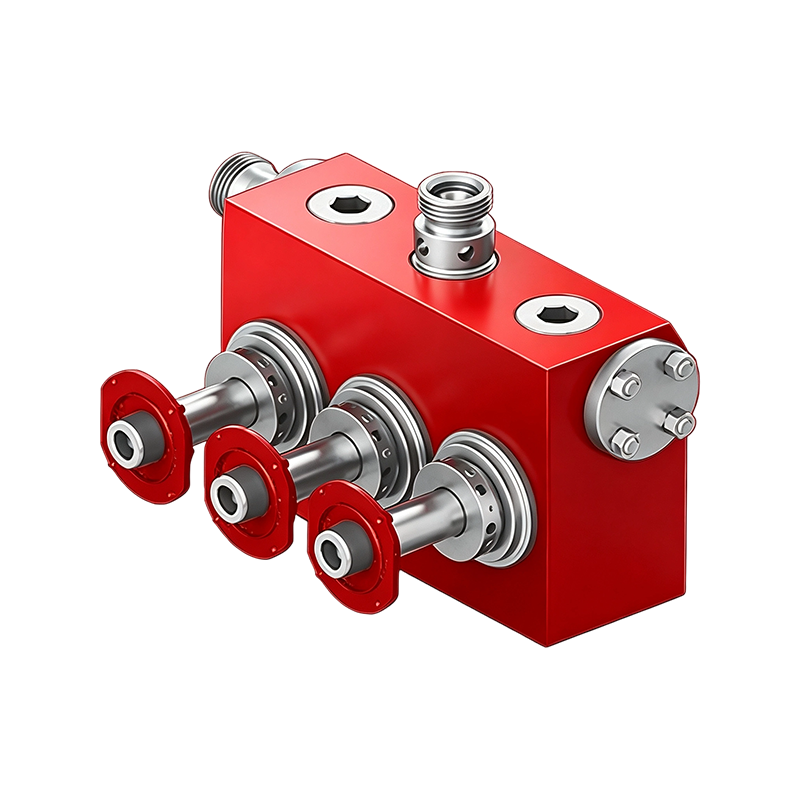
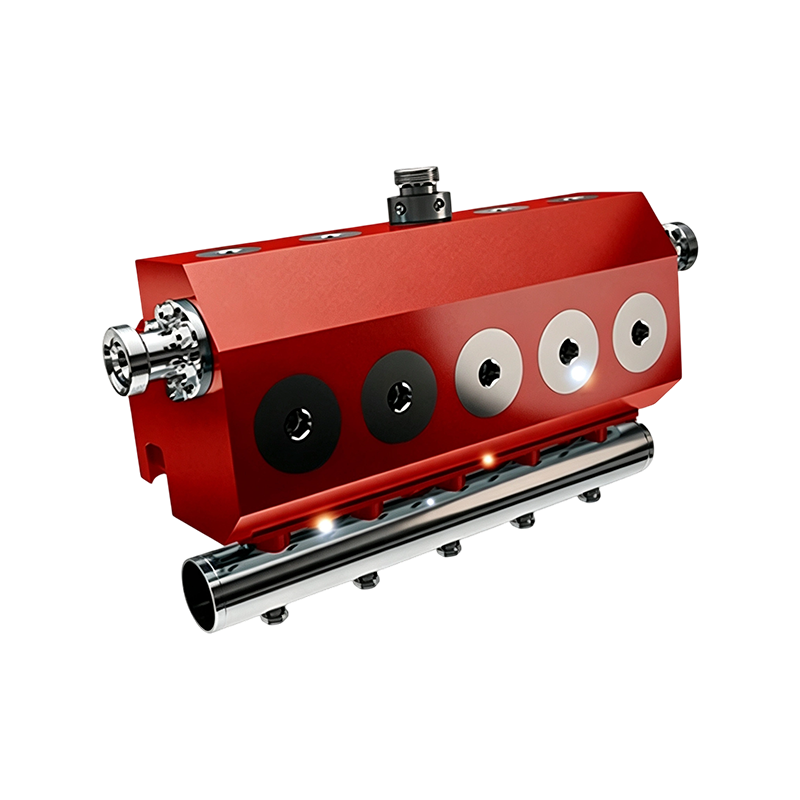
Why Fluid End Condition Determines Triplex Pump Uptime On any well service location, the pressure-containing components inside a fluid end absorb more cyclic stress than almost any other part of the ...
READ MORECustom Triplex Pump Fluid End Parts Manufacturer Built for Your Pump and Well Conditions
Content
- 1 What "Custom" Actually Means for a Fluid End Part
- 2 Inside the Triplex Fluid End: What Wears and What Fails
- 3 Matching the Fluid End to the Job, Not Just to the Pump
- 4 Material Choices That Decide How Long the Part Lasts
- 5 From Drawing to First Article: How a Custom Part Gets Made
- 6 Repair or Replace? Reading the Signs
- 7 What to Send With a Custom Fluid End Parts Enquiry
Ask a field supervisor what puts a triplex pump on the ground, and the answer almost always points to the fluid end. A plunger washes out, packing starts weeping, a valve seat stops sealing, and a small weep becomes a washout that ruins the bore. Very little of that is bad luck. Fluid end life is decided long before the pump is bolted to the skid: in the material chosen, the accuracy of the machining, and whether the part genuinely matches the pump it is installed in.
That last point is where most supply headaches begin. A plunger sold as a replacement for a popular triplex model can measure a few thousandths off. A valve seat can look correct and still be heat treated for the wrong pressure class. When the pump is moving cement slurry or high pressure fracturing fluid, "close enough" has a very short service life.
We are a petroleum industry spare parts supplier and manufacturer based in Wuhu, Anhui, serving oil and gas operators and service companies worldwide since 2019. Our product lines cover fluid end assemblies, power end wear components, mud pumps and high pressure manifold hardware. Custom triplex pump fluid end parts are one of the areas where that range matters most.
What "Custom" Actually Means for a Fluid End Part
In this industry, custom is not a marketing word for expensive. It describes three practical situations, and most fluid end orders fall into one of them.
- A copy of an existing part. You send an OEM number, a drawing or a worn sample, and the replacement is manufactured to those dimensions so it drops straight into the pump.
- An upgrade for harder duty. The pump model is fixed, but the fluid, pressure or temperature is more aggressive than the original part was designed for, so material and heat treatment change.
- A part with no reliable print. Older well service pumps often have no usable documentation. The worn part has to be measured, modelled and reproduced with tolerances that actually work in the bore.
The third case is the one that catches people out. Measuring a worn plunger or a corroded valve seat reproduces the wear as well as the part. A manufacturer has to understand what the dimensions were before the component went into service, then work back to the original geometry.
We publish our full fluid end parts range by pump class, and the custom route runs alongside it for the cases where a catalogue number is not enough.
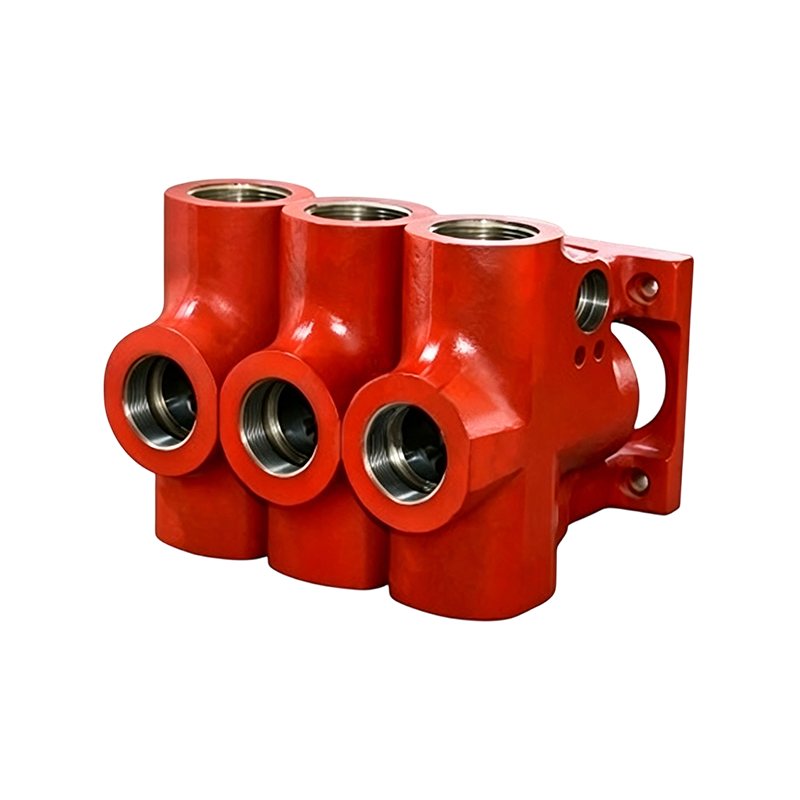
 HT400 Fluid End AssemblyWe provide 3–5 inch replacement parts for Halliburton HT400 plunger pumps. All interchangeable spare parts meet OEM quality standards. And we accept custom parts built...View Product →
Inside the Triplex Fluid End: What Wears and What Fails
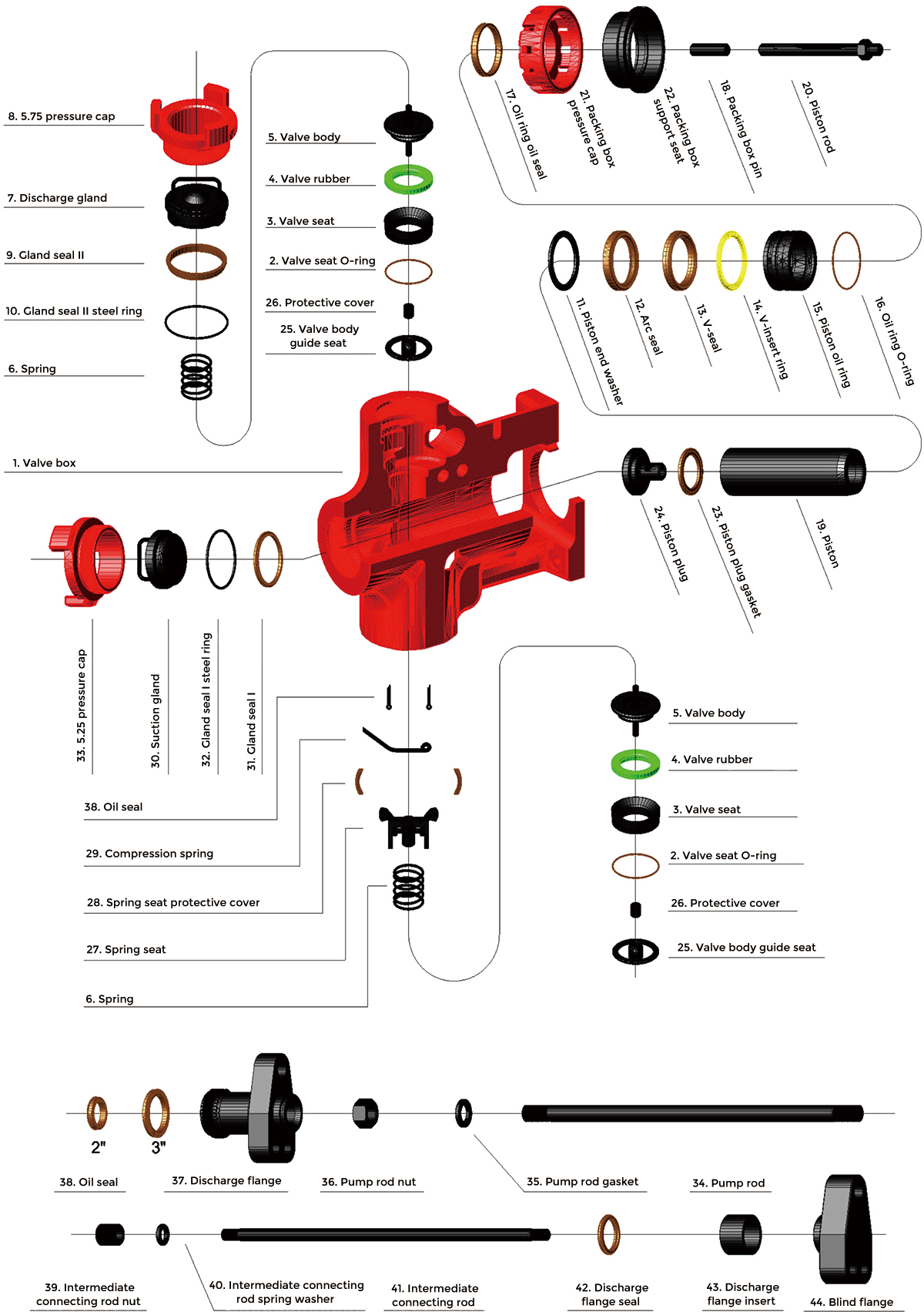
Three plungers, three bores, two valves per bore. The layout is simple, but the pressure cycles are not, and each component in the assembly sees a different kind of punishment. The table below summarizes the parts we are asked for most often and the details worth confirming before an order is released.
| Component | Typical material | Function | Confirm before ordering |
|---|---|---|---|
| Fluid end body | Forged alloy steel | Houses the plunger bores and valve chambers | Bore size, valve style, threads, pump model |
| Plunger | Ceramic, coated or hardened steel | Displaces fluid in each bore | Diameter, length, coating, taper |
| Packing and seals | Elastomer with fabric or polymer backing | Seals the plunger against bore pressure | Fluid chemistry, temperature, pressure |
| Valve and seat | Tungsten carbide or hardened alloy | Controls one-way flow into and out of the bore | Seat taper, style, spring rating |
| Valve cover and retainer | Alloy steel | Closes the valve chamber under pressure | Thread type, torque value, seal ring |
| Suction and discharge manifold | Forged steel | Routes fluid to and from the three bores | Connection size, pressure rating, layout |
Two patterns are worth remembering. Valve and seat problems usually announce themselves as a pressure loss or a knocking sound long before anything breaks. Plunger and packing wear are almost always related, so if one is failing early, the other is usually the cause or the consequence.
Matching the Fluid End to the Job, Not Just to the Pump
A fluid end that performs well in one application can be a poor choice in another. Cementing and acidizing are chemically aggressive, fracturing is mechanically brutal, and workover duty is repetitive and long. The same nominal pump size can need different plunger coatings, seat materials and packing compounds depending on which of those it is doing.
- Cementing: abrasive slurry with high solids, where erosion resistance matters more than corrosion resistance.
- Fracturing and well stimulation: high pressure, high cycle counts, and proppant attacking every sealing surface.
- Acidizing: aggressive chemistry that pushes elastomer and metallurgy selection in a different direction.
- Well service and workover: long, repetitive runs where a small gain in packing life pays for itself quickly.
- Drilling mud and circulation: solids-laden fluid that punishes valves, seats and everything in the flow path.
When a customer describes the job rather than the part number, we can usually suggest a combination that lasts longer than a straight like-for-like swap.
Material Choices That Decide How Long the Part Lasts
Fluid end metallurgy is a trade-off between toughness, hardness and corrosion resistance, and no single grade wins everywhere. Forged alloy steel bodies remain the standard for high pressure service because they tolerate pressure cycling without cracking. Tungsten carbide is still the default for valve seats and trim where erosion is the dominant wear mechanism. Plungers are offered in ceramic, coated steel and hardened stainless depending on the fluid and the pressure class involved.
The detail people skip is heat treatment and dimensional control after it. A seat that is hard on the surface and soft underneath will chip. A body that is machined before stress relief will move. These are not exotic requirements, but they are the difference between a part that meets a drawing and a part that survives a fracturing stage.
Elastomers deserve the same attention. Packing that swells in one fluid may be perfectly stable in another, and a cold morning on location can be as damaging as a pressure spike.
From Drawing to First Article: How a Custom Part Gets Made
Most custom triplex pump fluid end parts follow the same route through our shop.
- Review: the drawing, model number, photograph or physical sample is examined against the pump it will serve.
- Specification: material, heat treatment, coating and tolerances are confirmed with the customer in writing.
- Machining: the part is produced to the agreed print, with in-process checks at the critical dimensions.
- Inspection: final dimensional inspection plus hardness or material verification before packing.
- Trial fit: the first article is sent for a fit check on the customer's pump before batch production begins.
That first-article step is the one customers appreciate most. It is far cheaper to correct a measurement before a production run than to discover a mismatch on a rig floor.
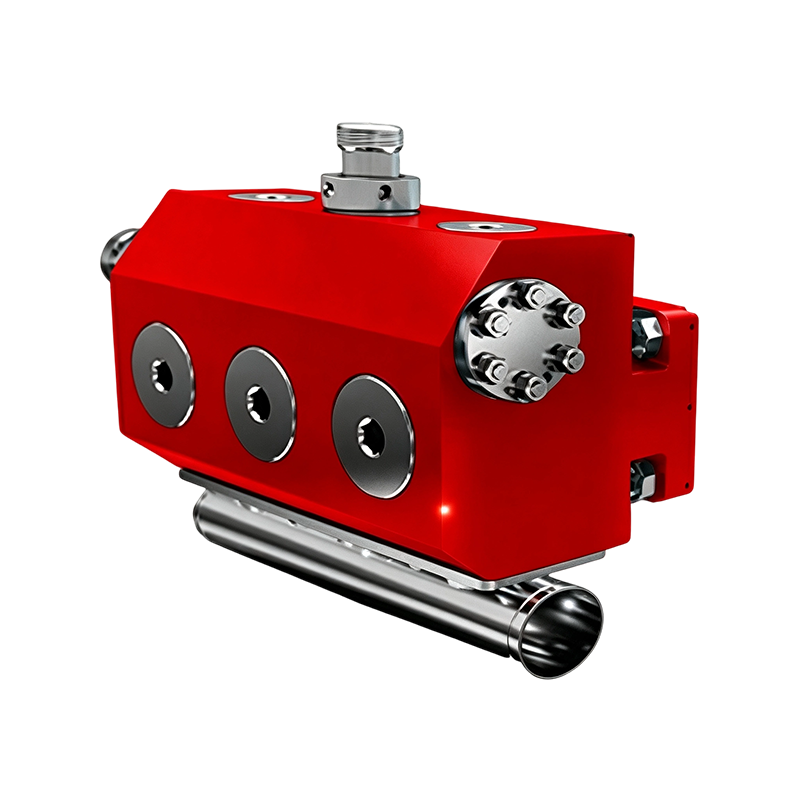
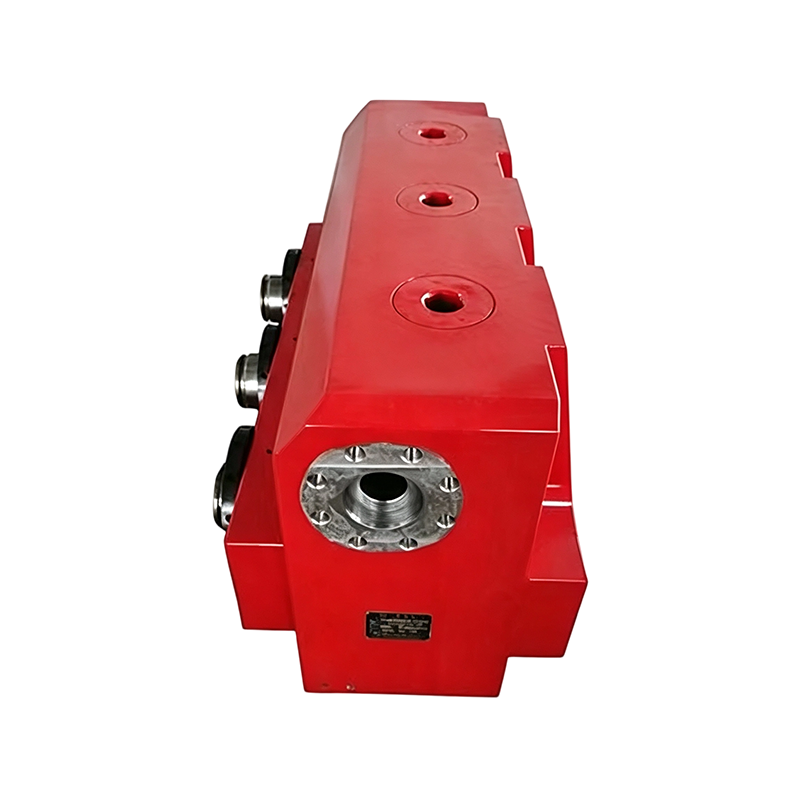 TWS3000 Heavy-Duty Triplex Pump Fluid End.Product Overview The TWS3000 Fluid End is a heavy-duty, high-pressure component designed for large-scale fracturing, cementing, and well-servicing pumps in the oil and...View Product →
Repair or Replace? Reading the Signs
Not every fluid end problem needs new parts, and knowing which is which saves money on both sides of the transaction.
- Washout marks on the body: usually a replacement, because the sealing surface is gone.
- Thread damage in valve cover or manifold connections: re-tapping may be possible if enough material remains, but pressure integrity has to be verified.
- Even packing wear across all three plungers: normal wear, so replace the set.
- Uneven wear in a single bore: check plunger alignment, packing installation and suction conditions before blaming the parts.
- Cracks in the fluid end block: replace it. Welding a pressurized body is not a repair we would recommend.
What to Send With a Custom Fluid End Parts Enquiry
The faster we receive complete information, the faster a quotation turns into a shipment. In practice, a useful enquiry package looks like this.
- Pump make, model and the OEM part number if it is still legible.
- A drawing, or clear photographs with a ruler or caliper in frame.
- Key dimensions: bore, stroke, plunger diameter, thread type and pressure rating.
- Operating conditions: fluid, pressure, temperature, and whether duty is continuous or intermittent.
- Quantity, required delivery date, and destination port or site.
If a sample is available, send it. Measuring the actual worn component removes almost all of the guesswork, and it is the fastest route through our custom spare parts programme.
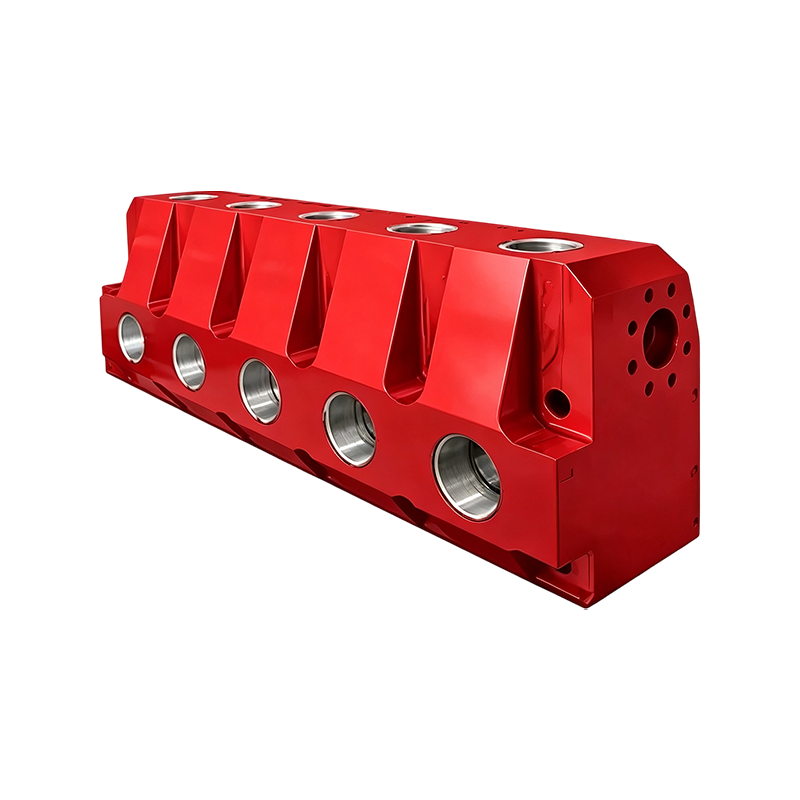
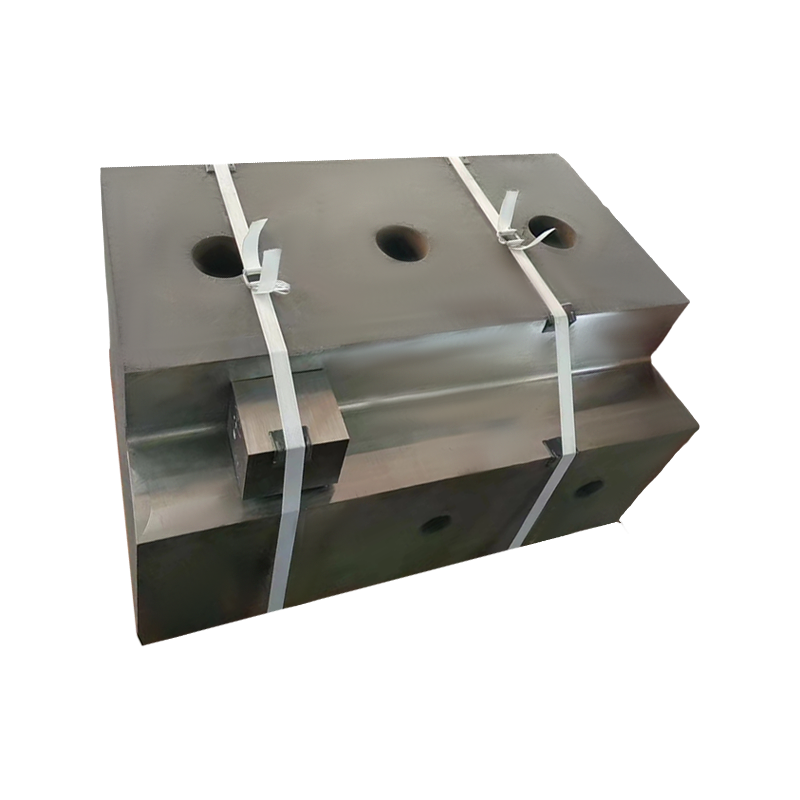 Triplex Frac Pump TWS2250 Replacement Parts for Well StimulationProduct Overview The TWS2250 Fluid End is a key component for high‑pressure plunger pumps. It features an 8‑inch stroke and 3‑plunger structure, with plunger sizes fro...View Product →
Fluid end parts are not a commodity category, however similar the catalogue photographs look. The components that keep a triplex pump running are the ones made to the right dimensions, from the right material, for the job the pump is actually doing. That is the standard we hold ourselves to, and it is why our engineering and sales teams sit down with customers before an order is confirmed rather than after a failure.
If you have a pump that is eating plungers, a fluid end with no documentation, or a replacement part that has never quite fitted, send us the details. We manufacture to your specification, we quote honestly, and we would rather tell you a part is not worth making than ship something that will come back.
Recommended Products
-
Fluid End Housing Assembly for Triplex Mud Pump
-
Triplex Frac Pump TWS2250 Replacement Parts for Well Stimulation
-
Triplex Plunger Pump HT400 Spare Parts for Oilfield Cementing Equipment
-
QWS2800 High Pressure Quintuplex Pump Fluid End Assembly for Oilfield Well Service
-
Offset Plunger Pump TWS600S Spare Parts for Acidizing and Fracturing
-
High Pressure Quintuplex Pump QWS2500 Parts for Oilfield Well Service
News
-
-
WELL SERVICE EQUIPMENT JWS-400 Triplex Pump at a Glance The JWS-400 is a single-acting triplex reciprocating pump designed for high-pressure, intermittent-duty well service operations. Published tech...
READ MORE -
When a triplex mud pump stops turning, the whole rig feels it. Every hour that a pump sits idle is lost circulation, lost footage and a very uncomfortable phone call to the drilling supervisor. We ha...
READ MORE -
Understanding the Power End in a Triplex Well Service Pump The power end is the mechanical core of any triplex well service pump. It is the assembly responsible for converting rotational input from ...
READ MORE
Get in Touch
Your email address will not be published.
Required fields are marked *
contact us
Have a project in mind?
Contact with us
Contact with us
We are happy to answer your questions. Please fill out this form
and one of our professional team will get back to you as soon as possible.

-
Company AddressRoom 2112, Wanxi Jingyuan Building 10, Jichuan Subdistrict, west of Wanxi South Road and north of Diefeng East Road, Xuanzhou District, Xuancheng City, Anhui Province
-
Tel:+86-13063235523
-
E-mail:Exwell.sales@chinafluidendparts.com
Exwell.Petro@chinafluidendparts.com
Exwell.Director@chinafluidendparts.com
Exwell@chinafluidendparts.com
Copyright © Anhui Exwell New Energy Technology Co., Ltd. All Rights Reserved.
OEM High Pressure Drilling Equipment Suppliers
