
 English
 عربى
عربى русский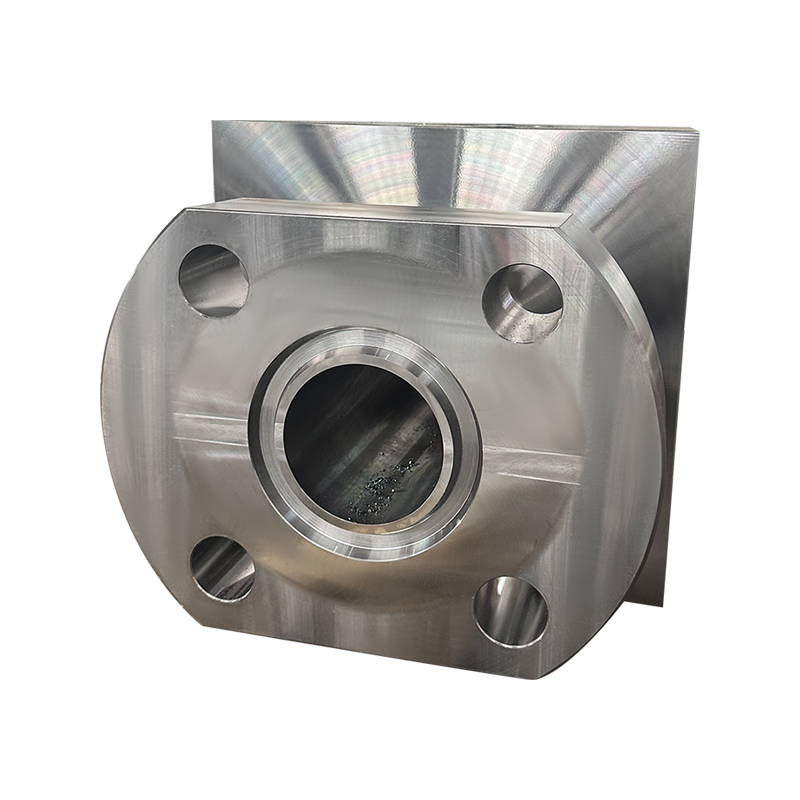
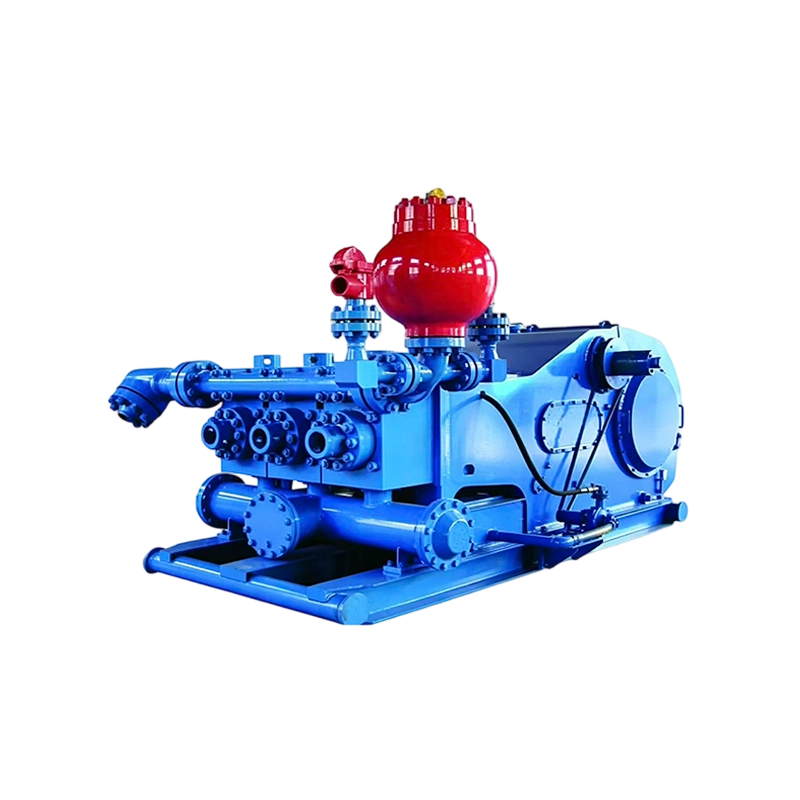
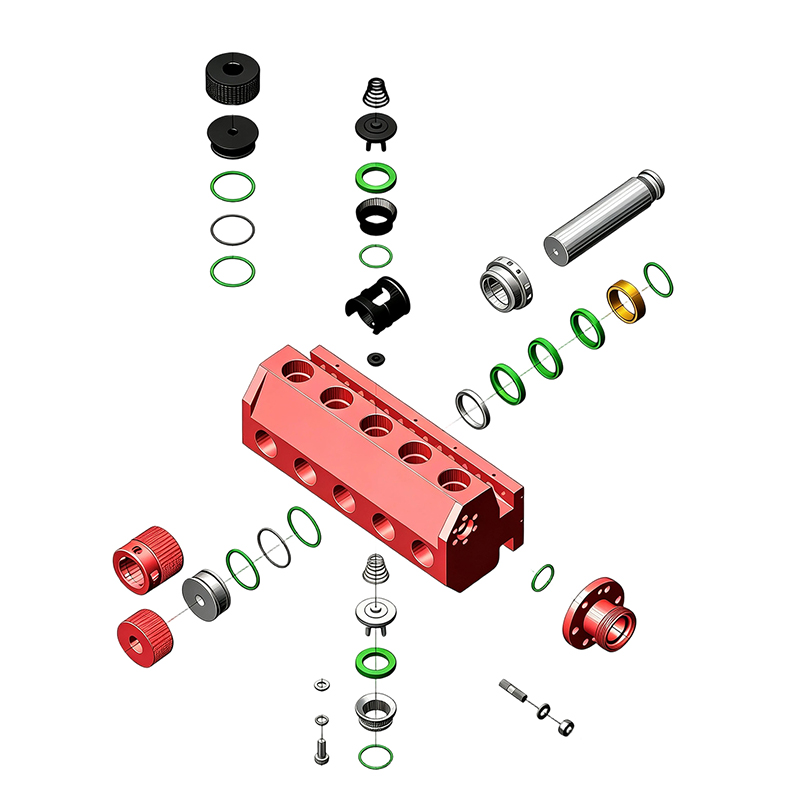
Ask a field supervisor what puts a triplex pump on the ground, and the answer almost always points to the fluid end. A plunger washes out, packing starts weeping, a valve seat stops sealing, and a sm...
READ MOREChina Drilling Mud Pump Parts Manufacturer | Fluid End & Power End Spares
Content
- 1 What Counts as a Drilling Mud Pump Part?
- 2 Fluid End Parts: Where the Pump Meets the Pressure
- 3 Power End Components: The Long-Haul Side of the Pump
- 4 Mud Pump Housings and Structural Components
- 5 Complete Pump Assemblies for Drilling and Well Service
- 6 Circulation, Manifolds and Flow Control Hardware
- 7 Matching Pump Models to Their Duty
- 8 How to Vet a China Drilling Mud Pump Parts Manufacturer
- 9 Common Questions from Rig and Procurement Teams
When a triplex mud pump stops turning, the whole rig feels it. Every hour that a pump sits idle is lost circulation, lost footage and a very uncomfortable phone call to the drilling supervisor. We have spent years on the supply side of that phone call, and it shaped the way we work: build the part right, build it to fit, and get it moving before the downtime clock runs another shift.
We are a China drilling mud pump parts manufacturer with our manufacturing base in Wuhu, Anhui, supplying fluid ends, power end wear components, housings, complete pump assemblies and high-pressure flow control hardware to oil and gas companies around the world. This article is a practical walkthrough of what actually wears on a mud pump, how the parts fit together, and how to judge whether a supplier can really support your fleet.
What Counts as a Drilling Mud Pump Part?
Drilling mud pumps, fracturing pumps and well service pumps share one architecture: a power end that turns rotary motion into a reciprocating stroke, a fluid end that pushes fluid at pressure, and a housing or frame that holds the two together and keeps everything aligned. Because each zone fails in its own way, it helps to sort the spare parts by assembly before you place an order.
| Part Group | Typical Components | Primary Duty |
|---|---|---|
| Fluid end | Valve seats, valve guides, plungers, packing, fluid end housings, cover plates | High-pressure pumping, cementing, fracturing, acidizing |
| Power end | Crankshafts, connecting rods, crossheads, bearings, gears, seals, lubrication parts | Continuous rotary drilling duty |
| Housing and structure | Fluid end housing bodies, studded connections, frames, covers | Pressure containment and alignment |
| Flow control and manifolds | Elbows, tees, Y-type fittings, hammer unions, plug valves, throttle valves, swivel joints | Rig manifolds, pipelines, pressure control |
Most of the emergency calls we receive land in the first and fourth rows. The fluid end is where abrasive mud and aggressive chemicals do their damage, and the manifold hardware is where vibration and pressure spikes find the weakest thread.
Fluid End Parts: Where the Pump Meets the Pressure
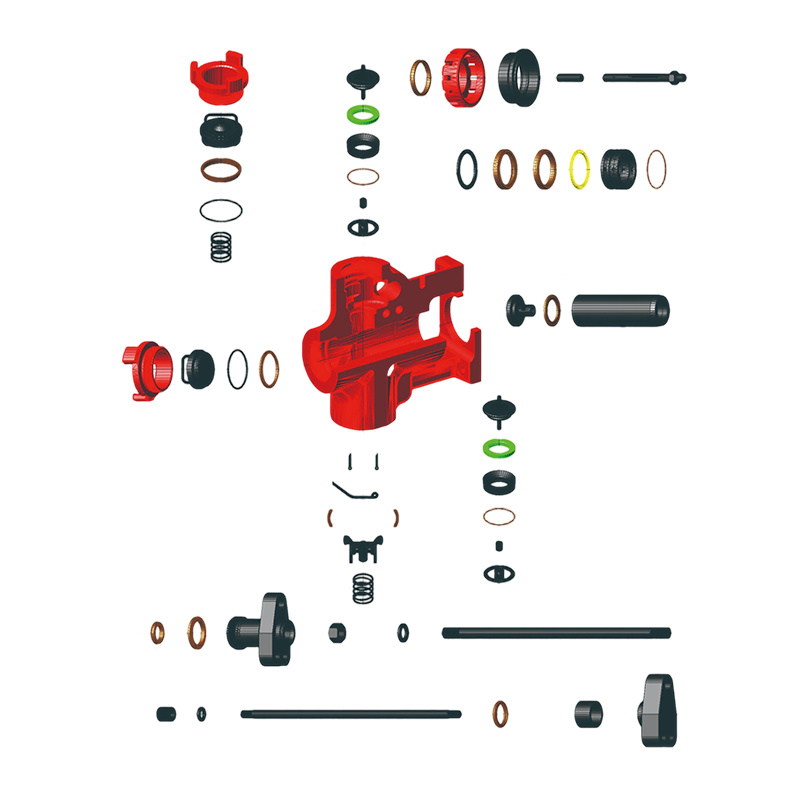
The fluid end is the consumable heart of a mud pump. Sand-laden drilling fluid erodes valve seats, plungers score, packing loses its memory, and discharge manifolds crack under fatigue. None of that is a design failure; it is simply the physics of moving abrasive slurry at high pressure for thousands of hours.
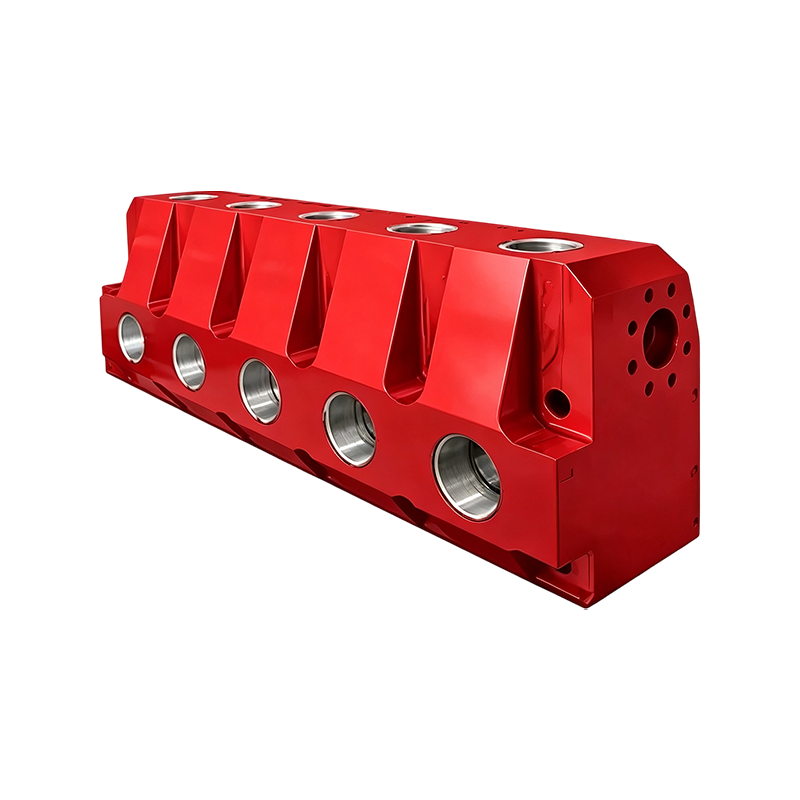
Our fluid end range covers the sizes rig teams ask for most often, including HT400, QWS1000, QWS2500, QWS2800, TWS2000, TWS2250, TWS2500, TWS3000 and TWS600S fluid end assemblies. Each platform is matched to a different duty, which matters more than most buyers expect. A five-cylinder fluid end built for fracturing service is not a direct substitute for a triplex unit running cementing jobs, even if the flange dimensions look similar on a drawing.
- Valve seats and guides in hardened grades for abrasive service
- Plungers, plunger rods and packing sets for various pressure ratings
- Fluid end housings with studded or threaded connections
- Suction and discharge manifolds, cover plates, studs and nuts
When you specify fluid end spares, tell us the pump model, the highest working pressure, and the fluid being pumped. Acid and cement behave very differently against elastomers, and that single detail often decides which packing compound you should be running.
Power End Components: The Long-Haul Side of the Pump
Power end failures rarely happen overnight. They start with contaminated lube oil, a bearing running a few degrees hot, or a crosshead that has been out of tolerance since the last overhaul. By the time the crankshaft complains, the damage usually reaches several components at once.
We supply wear components for heavy-duty triplex and quintuplex power ends, including crankshaft assemblies, connecting rods, crosshead pins, bearings, gears, gaskets and lubrication system parts. Our HT400 heavy-duty triplex wear components are built for oil and gas duty, while the QWS1000 wear parts serve hydraulic fracturing service and the TWS2250 power end is engineered for deep-well, high-pressure injection work.
Two habits keep a power end alive. First, change lube oil on schedule and check for water ingress, because drilling fluid contamination kills bearings faster than load ever will. Second, replace wear items as matched sets where the design allows it. A new crosshead paired with a worn pin is a short trip back to the same repair.
Mud Pump Housings and Structural Components
The housing is the part buyers think about last and regret ignoring first. It carries the pressure, holds bore alignment and absorbs vibration from every stroke of the pump. A cracked or distorted housing does not just leak; it accelerates wear on every component bolted to it.
Our fluid end housing assemblies are produced for triplex mud pumps and machined so that stud patterns, bore alignment and sealing surfaces match the original specification. If you are weighing repair against replacement, our guide to choosing the right mud pump housing for heavy-duty well service covers the inspection points that decide the answer.
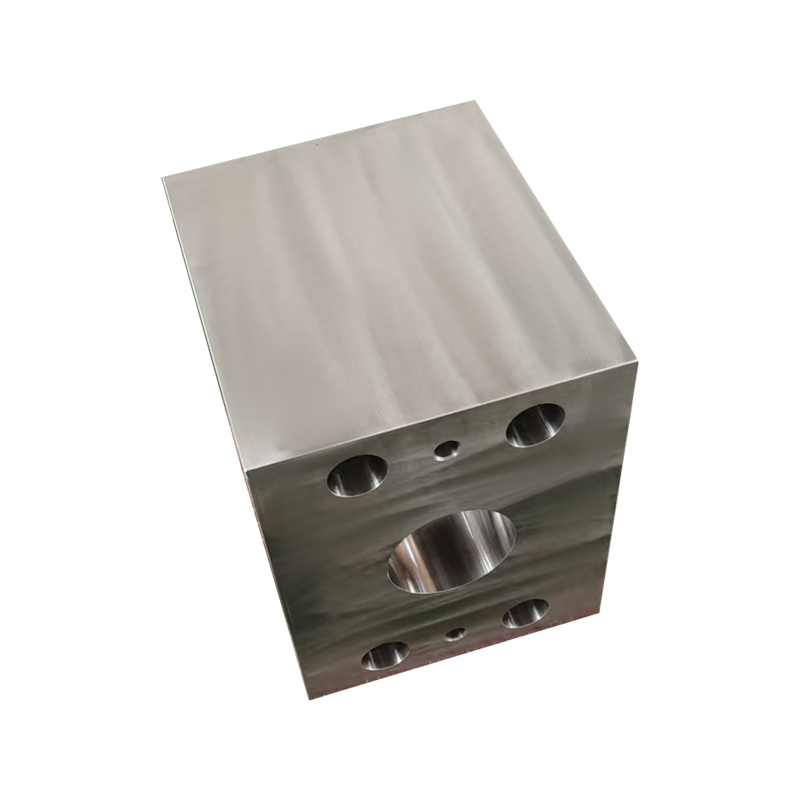 Fluid End Housing Assembly for Triplex Mud PumpModel:10230560-02M、NM3-10.666.01、NM3-10.666.02、NM3-10.667.01、NM3-10.667.02 Heavy-duty forged alloy steel fluid end for triplex mud pumps, designed for harsh drilling c...View Product →
Before ordering, check three things: thread condition on studded connections, evidence of washout around the valve bores, and any sign of previous welding near high-stress areas. Those three checks predict most premature housing failures we see in the field.
Complete Pump Assemblies for Drilling and Well Service
Sometimes the fastest route out of a downtime crisis is not a spare part at all. When a rig needs a working pump rather than a repair, a complete assembly gets fluid moving while the damaged unit is rebuilt on your own schedule.
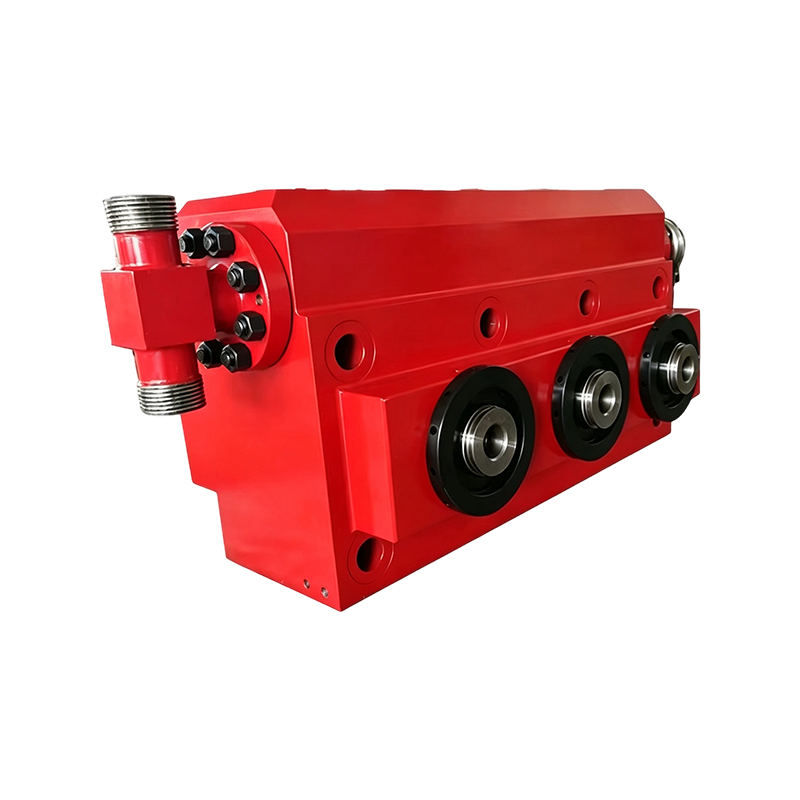
The JWS400 horizontal triplex high-pressure pump is a good example. It is compact enough for well service work, strong enough for drilling mud duty, and built around a service-friendly layout that keeps maintenance crews out of awkward positions. It is a common choice where a rig wants one unit that can handle both drilling circulation and workover support.
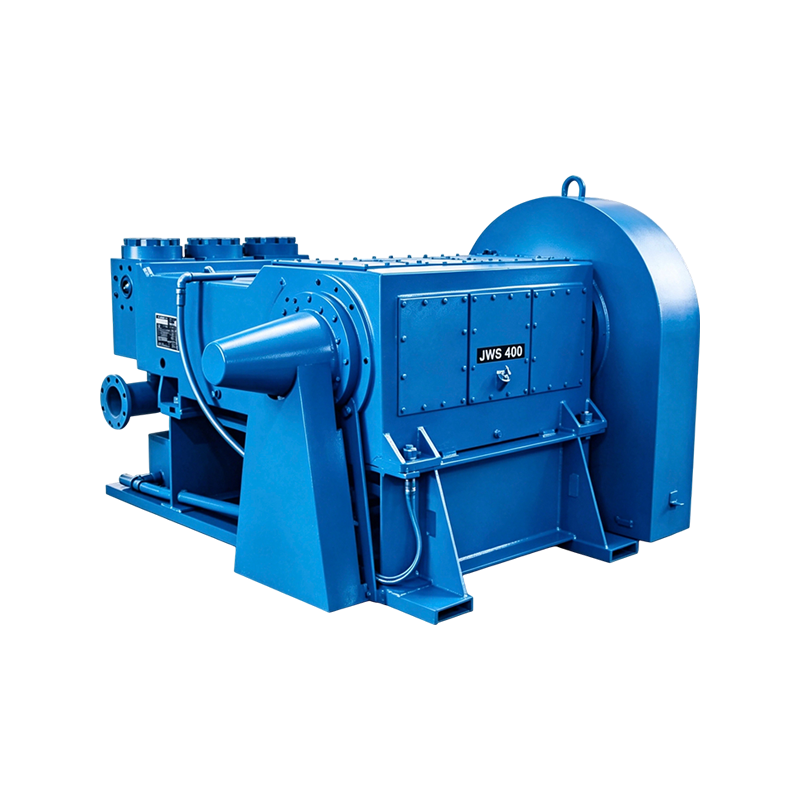 JWS400 Horizontal Triplex High-Pressure Drilling Mud PumpRated bhp at 286 rpm: 400HP (298KW)View Product →
Complete assemblies ship with documented pressure ratings and spare parts availability confirmed in advance, so you are not buying a pump that becomes an orphan six months later.
Circulation, Manifolds and Flow Control Hardware
A pump is only as reliable as the piping around it. High-pressure manifolds take the same pressure spikes as the fluid end, and a failed hammer union at the wrong moment is every bit as disruptive as a failed plunger.
We stock API and FIG 602, 1002 and 1502 pattern hardware, including integral Y-shaped manifold joints, 45-degree lateral fittings, long-radius 90-degree elbows, T-joints, Y-type tees, cross joints, pup joints, adjustable conversion subs, hammer unions, plug valves, throttle valves, safety relief valves and single flow check valves. Rated ranges run from 42 MPa to 105 MPa, and from 6,000 psi to 15,000 psi, with 2-inch to 4-inch long-radius bend and swivel joint options.
For rig circulation systems, the high-pressure 7P50 mud pump is a well-proven workhorse, and the F-series triplex plunger mud pump covers petroleum service where a sturdy, straightforward plunger design is preferred. Both are supported by the same high-pressure manifold, valve and union spares that keep a rig's piping system serviceable without waiting on a single-source supplier.
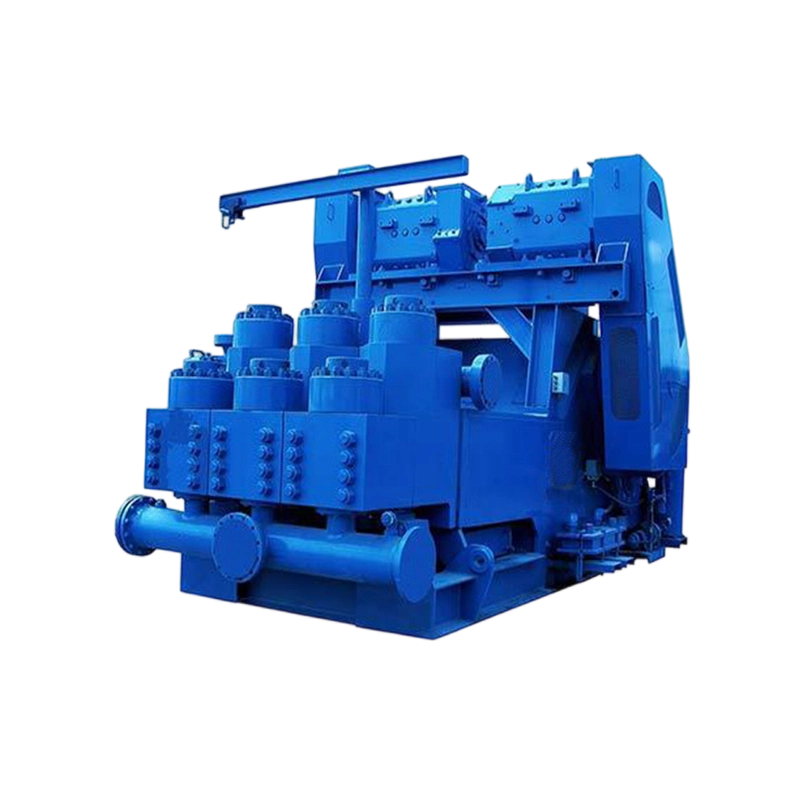 High Pressure P Series Mud Pump for Oilfield Circulation SystemProduct Overview: Model:8P80、9P100、10P130、12P160、14P220 Max,input horsepower HP(kw):800-2200 Std Fluid Cyl Hydro Test Pressure (psi/kg/cm²):10000/11250 Rated pump spee...View Product →
Matching Pump Models to Their Duty
Choosing the wrong platform is an expensive way to learn the difference between fracturing, cementing and injection service. The table below summarises how our main pump families are typically deployed.
| Pump Family | Configuration | Typical Operation |
|---|---|---|
| HT400 | Triplex plunger | Cementing equipment and well service |
| QWS1000 | Quintuplex | Hydraulic fracturing |
| QWS2500 | Heavy-duty quintuplex | Well service and high-pressure fracturing |
| TWS2250 | Triplex | Deep-well injection and stimulation |
| TWS600S | Triplex, compact | Acidizing, fracturing and well service |
| JWS400 | Horizontal triplex | Drilling mud circulation and workover support |
| 7P50 | High-pressure mud pump | Oilfield circulation systems |
How to Vet a China Drilling Mud Pump Parts Manufacturer
Price lists are easy to compare. Manufacturing discipline is not. These are the checks we would run ourselves if we were buying instead of selling.
- Ask for the material grade and heat treatment of wear parts, not just the finished dimensions. Two valve seats can share identical geometry and behave completely differently after 500 hours.
- Request a dimensional report against the original specification for the first article of any new part number.
- Confirm whether custom manufacturing is genuinely in-house or subcontracted. Fluid end housings and manifolds need real machining capacity, not trading capacity.
- Check the factory footprint, workforce and export history. Production scale tells you whether a supplier can absorb a surge order without dropping quality.
- Ask what happens when a part fails early. A supplier with a technical team will want the failure details; a trading company will just send another box.
- Test communication speed before you test the product. Response time during quoting usually mirrors response time during a breakdown.
We are happy to be measured against every one of those points, because we would rather answer hard questions during the quotation stage than during your next rig shutdown.
Common Questions from Rig and Procurement Teams
Can you supply replacements for older pump platforms?
Yes. Reverse-engineered and custom-manufactured spares are a core part of our business, and our custom spare part line accepts non-standard fluid end assemblies built to your drawings or sample parts.
How do you handle pressure ratings?
Every manifold, valve and fitting is specified with its rated working pressure, so your team can match hardware to the maximum pressure in the system rather than to what happens to be on the shelf.
What information do you need for a quotation?
Pump model, part number or drawing, quantity, working pressure and the fluid being pumped. With those five details we can normally quote the same working day.
Downtime is expensive everywhere, and it does not care which country the spare part was manufactured in. What matters is whether the part fits, holds pressure and arrives when promised. If you have a pump model, a part number or a failed component in your hand, send it over. Our team will tell you honestly what we can build, how fast we can build it and what it will cost.
Recommended Products
News
-
-
Why Fluid End Condition Determines Triplex Pump Uptime On any well service location, the pressure-containing components inside a fluid end absorb more cyclic stress than almost any other part of the ...
READ MORE -
Understanding the Power End in a Triplex Well Service Pump The power end is the mechanical core of any triplex well service pump. It is the assembly responsible for converting rotational input from ...
READ MORE -
Understanding the Role of a Mud Pump Housing in Well Service Systems A mud pump housing is the structural core of any reciprocating well service pump. It is the component that carries the full weigh...
READ MORE
Get in Touch
Your email address will not be published.
Required fields are marked *
contact us
Have a project in mind?
Contact with us
Contact with us
We are happy to answer your questions. Please fill out this form
and one of our professional team will get back to you as soon as possible.

-
Company AddressRoom 2112, Wanxi Jingyuan Building 10, Jichuan Subdistrict, west of Wanxi South Road and north of Diefeng East Road, Xuanzhou District, Xuancheng City, Anhui Province
-
Tel:+86-13063235523
-
E-mail:Exwell.sales@chinafluidendparts.com
Exwell.Petro@chinafluidendparts.com
Exwell.Director@chinafluidendparts.com
Exwell@chinafluidendparts.com
Copyright © Anhui Exwell New Energy Technology Co., Ltd. All Rights Reserved.
OEM High Pressure Drilling Equipment Suppliers
